BACK UP BLOG (no longer updating)

This blog was a backup for American Indian Adoptees blog
USE THE SEARCH BAR or SEARCH TOPICS at bottom of this blog

If you need support

Support Info: If you are a Survivor and need emotional support, a national crisis line is available 24 hours a day, seven days a week: Residential School Survivor Support Line: 1-866-925-4419. Additional Health Support Information: Emotional, cultural, and professional support services are also available to Survivors and their families through the Indian Residential Schools Resolution Health Support Program. Services can be accessed on an individual, family, or group basis.” These & regional support phone numbers are found at https://nctr.ca/contact/survivors/ . MY EMAIL: tracelara@pm.me

Search This Blog

Monday, November 18, 2019

I look at it as a human rights issue #NAAM2019

This IS Adoptee Rights:
"I look at it as a human rights issue. Why should people who, to no fault of their own, happen to be adopted, have less rights to their existence?" David Weprin said. "It's really a piece of the puzzle people should be entitled to. In this day and age, there is no reason why there should be a restriction to an adoptee having access to their original birth certificate (OBC)." (via facebook)
By Trace L Hentz (repost from 2010)

This article sums it up...


No Wonder Adoption Agencies are Nervous About OBC Access!

by Jo Swanson on Monday, October 25, 2010 

I was looking for a quote in my 1989 'mini-book' The Adoption Machine and came across something I had forgotten about. It fortifies what we've known all along about why agencies fight so hard to keep adoptees and birth families from locating one another. The agency is in Michigan - it's the one my daughter was placed through. I'll quote directly from the book:

A birthmother who placed her child through our same "Christian" agency contacted me for search help. She had kept in touch with her social worker throughout the years, even after the woman retired, as a way of somehow staying connected to her child. In recent visits, the former social worker had become quite upset about the birthmother's desire to be reunited with her daughter. "Give it up," she admonished her, suggesting that she was merely having a "bad day." "Cheer up! You have another family now! Besides, I checked the phone book recently, and the family isn't living in the area anymore."
Mother and daughter did meet, however, and upon comparing information provided to each by the agency at time of placement and later with the real story, found:

Claim: Birthmother was told by her social worker at time of relinquishment that her infant was perfectly normal and healthy.
Fact: Records indicated the child was diagnosed in the hospital, right after birth, as having a severe hearing impairment (95% loss), possibly due to exposure of mother, unknowingly, to German measles during pregnancy.

Claim: One year after relinquishment, birthmother was sent a letter by the agency, informing her that her child was "in a happy home" and that the adoption was finalized.
Fact: At the time the social worker wrote that letter, this child was back in foster care after a failed adoption. "The adoptive mother was having a nervous breakdown and couldn't handle a handicapped child." A second placement had been made at thirteen months, and fortunately it was a very good placement.

Claim: The adoptive family no longer lived in the area.
Fact: Adoptive father was deceased, but the mother still lived in the same home as at the time of adoption, and was still listed in phone directory. (Adoptive mother was supportive of her daughter's desire to meet her birth family.)

Claim: The adoptive couple had been told by the agency social worker after placement that the child's birthmother had died subsequent to the birth! (Common practice, we now know, as was telling birthmothers their infants died before or after birth.)
Fact: This agency social worker had spun so many lies that she was in a virtual panic that the two parties might actually meet one day and learn the truth!

++++++++++
We're getting the truth out drop by drop. But we've been doing it for so many decades - when will legislators begin to "get it" and realize how power has been abused by adoption brokers at the expense of children and their mothers?...Trace

Sunday, November 17, 2019

Think about these quotes #NAAM2019


“My problem is secrecy. I believe that perpetually secret adoptions assure un-accountability and lack of transparency. And secret adoptions are only the tip of the iceberg. The secrecy permeates the process: secret identities, secret parents, secret records, secret foster care providers, secret social workers, secret judges and lawyers (all their identities are sealed, typically), secret physicians, secret statistics and, in the case of some adoption-oriented organizations, secret budgets and secret boards of directors. In any social practice, when people in positions of power hide behind masks, one can be pretty sure that they have something to hide.”

 -Albert S. Wei, Special Advisor to the Bastard Nation Executive Committee


“Storytelling is an important aspect of Ojibwe culture. My ability to tell a good tale can be used as a tool for teaching and connecting. Even though I grew up outside of my Native community and culture, my stories helped me to become a part of the community that I had lost. Adoption is part of the contemporary tales that Native people need to tell…”

- Tamara Buffalo, published author-poet-visual artist


“Everyone has a right to knowledge about their lineage, genealogy and identity. And if they don’t, then it will lead to cases of incest...”

-Lord David Alton quoted after married adoptee twins were granted annulment in Great Britain (January 2008)


“We, as adoptees and birth mother’s, have become so conditioned to keep quiet and take the living in shame as just a part of our life that we don’t unite. As if we are not allowed to unite. The fear and stigma is so incredibly strong, it is all controlling. I truly don’t think adoptees realize this.”

- 73Adoptee Blog: Chynna Girl, November 14, 2008 [www.blogger.com/comment]


🔺I saved these quotes I used in my memoir One Small Sacrifice - they speak volumes and as you can see they are from 2008 and earlier... Trace 

in the next few posts you will learn more about complex PTSD like this:

Saturday, November 16, 2019

Names of 2,800 children who died in residential schools documented in registry #TRC


Charlie Hunter was one of the children who never came home.


He died in October, 1974, days shy of his 14th birthday, after he fell through ice while attending St. Anne’s Residential School in Fort Albany, Ont., his sister Joyce Hunter said on Monday after his name appeared on a registry of deceased Indigenous children.


“Those are stories and those are lived experiences,” Ms. Hunter said. “They matter.”


The list of Indigenous children who died in Canada’s residential school system


The National Residential School Student Death Register – 2,800 names presented publicly for the first time on a scarlet banner at the Canadian Museum of History in Gatineau – is a permanent reminder of fatalities as a result of the government-funded education program that spanned more than 100 years and forcibly removed more than 150,000 Indigenous children from their families.


The National Residential School Student Death Register was presented publicly at the Canadian Museum of History in Gatineau by the Truth and Reconciliation Commission...


READ: Names of 2,800 children who died in residential schools documented in registry

Names of 2,800 children who died in residential schools documented in registry #TRC


Charlie Hunter was one of the children who never came home.

He died in October, 1974, days shy of his 14th birthday, after he fell through ice while attending St. Anne’s Residential School in Fort Albany, Ont., his sister Joyce Hunter said on Monday after his name appeared on a registry of deceased Indigenous children.

“Those are stories and those are lived experiences,” Ms. Hunter said. “They matter.”

The list of Indigenous children who died in Canada’s residential school system

The National Residential School Student Death Register – 2,800 names presented publicly for the first time on a scarlet banner at the Canadian Museum of History in Gatineau – is a permanent reminder of fatalities as a result of the government-funded education program that spanned more than 100 years and forcibly removed more than 150,000 Indigenous children from their families.

The National Residential School Student Death Register was presented publicly at the Canadian Museum of History in Gatineau by the Truth and Reconciliation Commission...

READ: Names of 2,800 children who died in residential schools documented in registry

Stop blogging about "YOUR" adoptees (rehoming)


Looming hot issue concerning "privacy" for minor adoptees

By Trace L. Hentz (Blogger- Adoptee) (repost from 2014)

I am an adoptee, well past the age of majority, and because of my closed adoption, I had to climb a mountain and claw my way up to discover any details about who my natural family was. Records were sealed in Wisconsin. Growing up, I had no medical history. I did not share my adoptive parents blood or ancestry. Mine, on paper, didn't exist.

Even recently I told a surgeon I am not sure about most of my birthmom Helen's medical history, though I do know she died from complications of diabetes.

I have not stopped thinking about the post I wrote on the LOST DAUGHTERS BLOG that APs need to stop blogging about adoptees. This is a looming hot issue concerning "privacy" for minor adoptees.  At the 2014 MIT adoption conference, I heard it loud and clear.  I'm sure many adoptive parents had not considered the ramifications of blogging about their children's lives, especially when adoptees are still minors. The dangers of sharing on social media and blogs are REAL yet being ignored.

APs are, in my opinion, in essence creating an "unsafe environment" for their child.* 

Blogging about any child is an invasion of their privacy!

A toddler cannot consent to having his or her life experiences documented on public spaces. (I predict some day some clever lawyer will take this on and attempt to sue an adoptive parent for publicizing and publishing an adoptee's early private experiences, albeit from the APs perspective.) (There might already be stalkings and kidnappings due to the increased use of social media. You can find anyone with the click of a mouse.) (There was already one lawyer in CA suing adoption agencies for damaged goods - when an adoptee is ungrateful or not what the APs expected. This is what lawyers do!)

If someone must blog, then private password-protected blogs, shared between family members, is the only way to protect any child. Parenting blogs are one thing; blogging about the children you adopt is another.

Many adoptees have told me and related on social media, much needs to be changed about "adoption" - ending the lack of access to our own adoption files, having a copy of our real birth certificate, knowing our ancestry, our medical history and so much more....including an understanding of birth trauma, anxiety and stress disorders in adoptees.

My goal as a writer/adoption author/adoptee is to advocate for adoptees too young to advocate for themselves. I will do whatever it takes to make this issue understood from the adoptee perspective.

In my foster care training in Oregon back in the 1990s, there was no mention of protecting a minor child's privacy but people were not blogging and tweeting and Facebooking back then!

Yet there was plenty to read about confidentiality for birthmoms - if they chose not to tell anyone and gave a baby up for adoption - adoption agencies like Catholic Charities assured them no one would ever have to find out. The child (like me) would have a new identity and the records were sealed permanently.

This created a fantasy I had to deal with and live with as an adult. Until I met my dad Earl, I had no medical history or ancestry.

So much needs to change about adoption. It's a complicated mess. For 20+ years, I've done research on adoption as a topic. I am not a lawyer. More and more is coming to light that "adoption" is not at all what we thought.  Much of what we read is/was created by the billion dollar adoption industry so it's their sale pitch, aka propaganda for adoptive parents (APs) and potential APs.

I am old enough now to advocate for those adoptees who can't.  And I will.

If I run into APs and lawyers who get upset with me (or my blog) for voicing my opinion, get in line.


**************************************************************

Here is a very revealing post from Jason on his blog concerning failed adoptions and the practice of advertising adopted children you no longer want: REHOMING:

Children For Sale: Get 'Em While They're Hot

His post
Hi Anonymous, Thanks for taking the time to comment. You've raised an important issue: every child should have a safe and supportive home. Do you advocate that only adoptive children who are in homes with parents unable or unprepared to raise a child be taken away? Should parents of biological children who are unprepared, unwilling, or unable to raise their children be allowed to offer up their children to better homes?

As we consider posting pictures or information about the lives of children on the internet, we must also consider the impact on the children (you are considering only the needs of potential adoptive parents). Does the internet have a right or need to know any information about these children? How might the children be impacted in the future with their personal and private information being shared with any stranger that comes across it?

What baffles me--and endangers children--is when adults think of their needs and fail to reflect on what children need. In this case their is an enormous impact that you are failing to consider.


and:  Hi Anonymous, you've raised some important concerns about the foster care system, which is a different issue than what this post is about. I'm deeply concerned about what happens when the private and personal information about children is shared publicly. Children can have safe, secure, and supportive homes without their backgrounds being put up on the internet and shared with the world

I will end with Von's comment on Adoptive Parents blogging about adoptees:

The full exposure some adopters give to adoptees is seriously wrong and abusive. Some of you might remember the 'Potty Wars' and the 'Slant Eyes Fiasco' when adoptive mothers were adamant that their right to write whatever they wanted trumped the rights of children. Many claim they are not racist or abusive and that adult adoptees are over-sensitive and need to get a life, be prayed for or learn to be grateful. They pretend to pity us for our sad lives and state that their adoptees do not suffer and will not as we have. They know so little of the trauma of adoption and do so little to protect those they have adopted from further trauma. Anything posted is forever available and will undoubtedly be used by someone somewhere to bully, castigate, abuse etc because that sadly is the down side of our social media. Anyone who overlooks this is either naïve, stupid or deliberately abusive.

HEALTHLINE chose this blog as one to read in 2017

Friday, November 15, 2019

You Can’t Counsel Yourself into Belonging #NAAM2019


by
juliettevia


It’s not lost on
me that one such episode on white privilege the family discuss the meaning and
impact of the quote “Prejudice is the emotional commitment to
ignorance.”


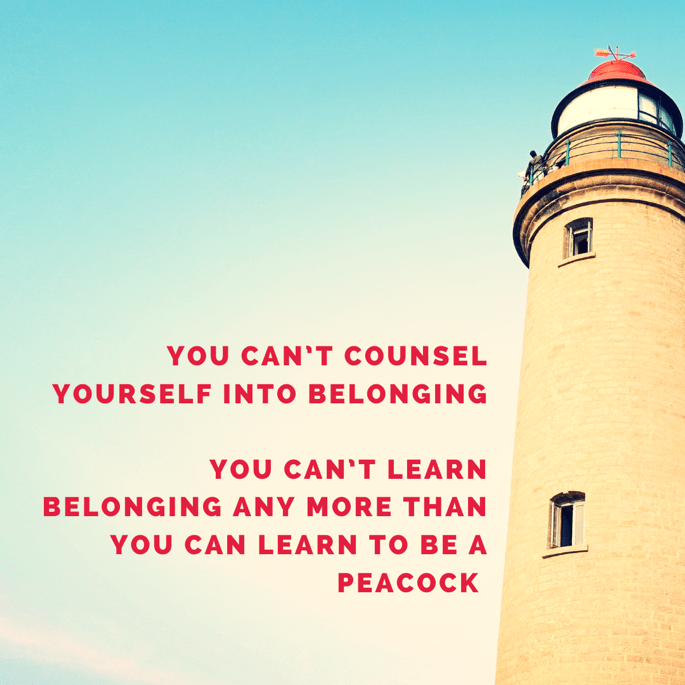
You can’t counsel yourself into belonging.


You can’t learn belonging any more than you can learn to be a
peacock. You may learn enough to hang out with peacocks without alarming
them but try to fly and you’ll know you’re not peacocky enough pretty
quickly. Just so with the iceberg of culture. A myriad of secret
handshakes lie beneath, unspoken tests and initiations sit between
ourselves and others.

Belonging is at the heart of identity.
Those who think it’s enough to decide who you are independently of
others beliefs, are underestimating the role that being seen plays in
our identity. Self-acceptance in our identity is a small, sometimes
inconsequential island, validation of our identity is a continent. For
transracial adoptees there can be a lot of sea between our island and
that continent.


READ

Wednesday, November 13, 2019

If only birthparents had to write that letter! #NAAM2019


By Trace Lara Hentz

I think adoption has left many of us adoptees frozen in time as missing children.  Details of our first days and birth are sealed in files – leaving us without essential details of our birthparent’s lives when they made the decision to let us go (or when we were taken).

Our adoption records are sealed so the majority of adoptees are still unable to have a copy of our original birth certificate in all but a few states in America. Why?

If we’re adults, why are we still being treated as children?

Most of us were adopted by strangers. In my case Sev and Edie didn’t choose me. I was available. I was not “chosen” or “saved” or “an orphan.”  Those myths are repeated in newspapers everywhere, as part of the propaganda.  This adoption industry is not about the chosen or saved or orphaned child. That’s the selling part. Those are their sappy slogans used to convince people to continue to adopt and pay their money. It’s just a mind drug that you’ve saved someone, or rescued an orphan.

I was not saved from my birthparents Helen and Earl. They were real people, alive. My mother was 22 and my father was 27.  If my mother Helen had support from her parents, instead of condemnation for committing a sin and getting pregnant, she might have kept me. At the very least my father should have had the right to raise me, right? He would have, I was told when we met when I was 38, but it was too late to change what happened.

Right now, Minnesota STILL has my original birth certificate. They won’t release it to me. I’m 63!

All my parents are gone, all passed. It’s not that I do not know who they were. I opened my adoption at age 22 with a judge in Wisconsin. I know my names, their names and met my father. Why would Minnesota not release my birth certificate to me now?

Archaic laws. Old laws. Privacy? for whom? They are all dead. Why are adoption laws protecting dead parents?

This is my reality. I can’t change the laws myself but if you are reading this, you might pick up the phone and contact your state representative and ask them, who is adoption secrecy protecting? Is it protecting adoptive parents? Is it protecting dead birthparents? Why? Or is it protecting the adoption industry so they can continue their money making and human trafficking?

I know children will still be adopted, no question. The industry can’t be stopped overnight but if adoption is the only way for a child to be safe, find their kin and family (grandparents, cousins) to raise them.

If strangers must do it, give the child their name, ancestry, medical backgrounds for both parents, and a signed letter from each birthparent.

If only birthparents had to write that letter!  Then they’d have to sit down and think far ahead when their own flesh and blood reaches adulthood. What reasons would you give your child as to why you chose adoption and handed them to strangers? What are good reasons? Religion, money, marital status, mental or physical illness?

This letter to your birthchild should be the law of the land.
(That letter would a reality check and could be a real deal-breaker.)

(reposted and edited from 2014...Trace)

Tuesday, November 12, 2019

State-Tribal Relations Committee takes up treaty rights, voting barriers, land status in Billings meetings

Improved communication among tribes and Child Protective Services

In the first issue brought before the STRC, representatives from the state Department of Public Health and Human Services (DPHHS) and the Yellowstone County District Indian Child Welfare Act court spoke about challenges within and ways to improve Indigenous child welfare services.
Marti Vining, Children and Family Services Division (CFS) administrator for DPHHS, advocated for open and consistent communication between the state and tribes in child neglect cases.
“When the burden of addiction and violence and abuse becomes too hard for our families to carry for themselves, … families (must) know there is a system waiting for them, wanting them to succeed,” she said.
In an effort to improve relationships among the state and tribes, Vining said the CFS implemented a series of tribal consultation meetings, where representatives from CFS develop relationships with and receive feedback from members of tribal nations


Though Native Americans only make up about 7 percent of Montana’s population, Vining reported that as of Sept. 30, Indigenous children made up 30 percent of children in foster care in Montana.
Lesa Evers, tribal relations manager for DPHHS, urged the importance of keeping Indigenous children in the welfare system connected to family and culture. But Vining and Evers both cited the high staff turnover rate and limited housing options as challenges in these cases.
Representatives from the Yellowstone County District Indian Child Welfare Act (ICWA) court also spoke about child neglect cases.
“The concept of an ICWA court is simple,” said Judge Rod Souza of the 13th Judicial District Court. “It’s about relationships. We seek to improve relationships with our tribal partners. Improved relationships lead to better communication, which leads to collaboration, which leads to better outcomes for children.”
Souza and other ICWA court representatives spoke about the importance of family involvement, advocating that families be involved in their children’s cases from the beginning.
“Our goal is to make sure kids are connected to their extended family when not able to be safely reunited with their immediate family back home,” said Brooke Baracker-Taylor, an assistant attorney general.
Montana is one of a few states that does not require a hearing for parents within 48 or 72 hours of their child being taken into the system. As a result, families in Montana may wait up to 20 days to see a judge.
“Due to our own volume (of cases) and our schedules, I’m not sure we could accommodate the 72-hour hearing,” Souza said.
Dana Eaglefeathers, councilman for the Northern Cheyenne Nation, who addressed the Committee as a member of the public, warned legislators of abuse in foster care.
“I’ve been really concerned about our Indian children and our child services,” he said. “We need to make a bridge, so we can bring our Native kids home.”

Committee members and members of the public asked many questions of the ICWA and DPHHS representatives, including where to access more information, how tribes can get into ICWA court and which cases fall under state, county and tribal jurisdiction.
Due to the large amount of questions from the Committee and members of the public, STRC Chairman and State Senator Jason Small (R-Busby) said the Committee will keep track of the questions and find answers.

Monday, November 11, 2019

The Indian Child Welfare Act Turns 41


The Indian Child Welfare Act, a federal law outlining adoption and foster care regulations for American Indian/Alaska Native children in the United States, turns 41 on Nov. 8, 2019.
ICWA, as the law is commonly known, has faced dozens of legal challenges over its lifetime and finds supporters and opponents both within and outside Native communities. Like all Indian law, ICWA is complicated; according to its authors, this is largely due to the complex political relationship between the United States government and sovereign tribes. ICWA also reflects the complexity often found in family dynamics and the twisting narratives that accompany any report of child abuse or neglect.
Though ICWA did not become law until the late 1970s when it was passed by the 95th Congress and signed by President Jimmy Carter, its spirit was born in the 1960s when the Association on American Indian Affairs began tracking the number of Native children who were being forcibly removed from their families and tribes.
(Read more about the origin of law here, in “The Nation’s First Family Separation Policy.”)

ICWA may once again find congressional support if the Cherokee Nation is successful in its bid to add a tribal delegate to the U.S. House of Representatives for the first time in history.
If the Cherokee Nation delegate is named, the timing of that individual’s ascent to the capitol could be critical. One of the most recent lawsuits, Brackeen v. Zinke, which challenges the constitutionality of the law, was reopened just this week when the Fifth Circuit Court agreed to rehear the case, despite having ruled in August to uphold the law.

What to Read

Find all of our ICWA-related coverage here.

Follow our coverage of Brackeen v. Zinke, one of the biggest legal challenges ICWA has faced in its history. Read about the first federal ruling against the law here, and the Fifth Circuit Court’s decision to uphold the law here.

Read about the Memorial March to Honor Lost Children – one of the only annual events in the nation that pays tribute to the loss of Native children to foster care, adoption and boarding schools. Learn about the march’s founder and longtime Indian rights activist Frank LaMere here.

***
Editor note:  As it was 100+ years ago, as it is today: those who seek to take children away from their tribal relatives, we will fight them. This ICWA law is to serve tribal nations after attempted genocide. We will not go back.  Aho!  Trace

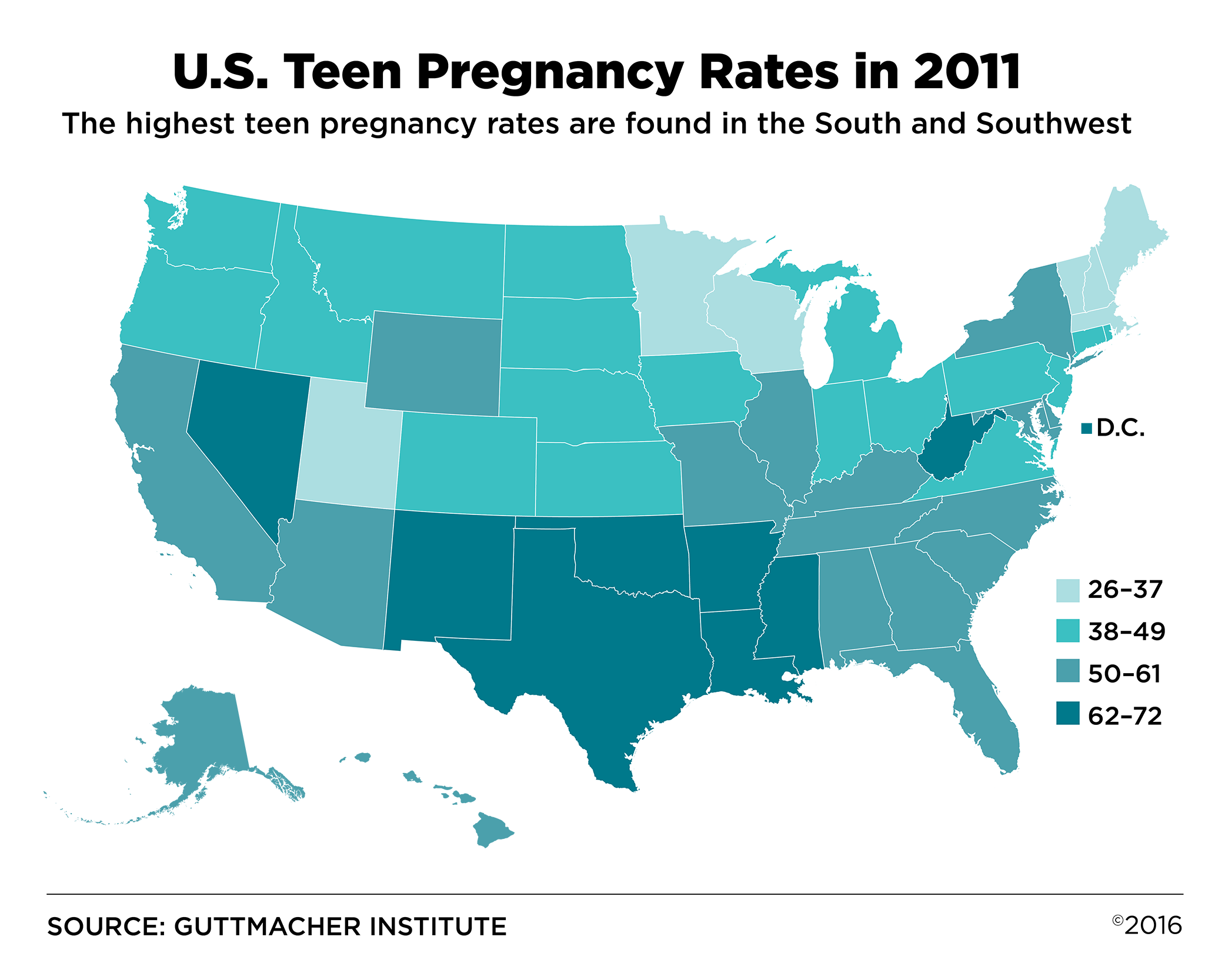
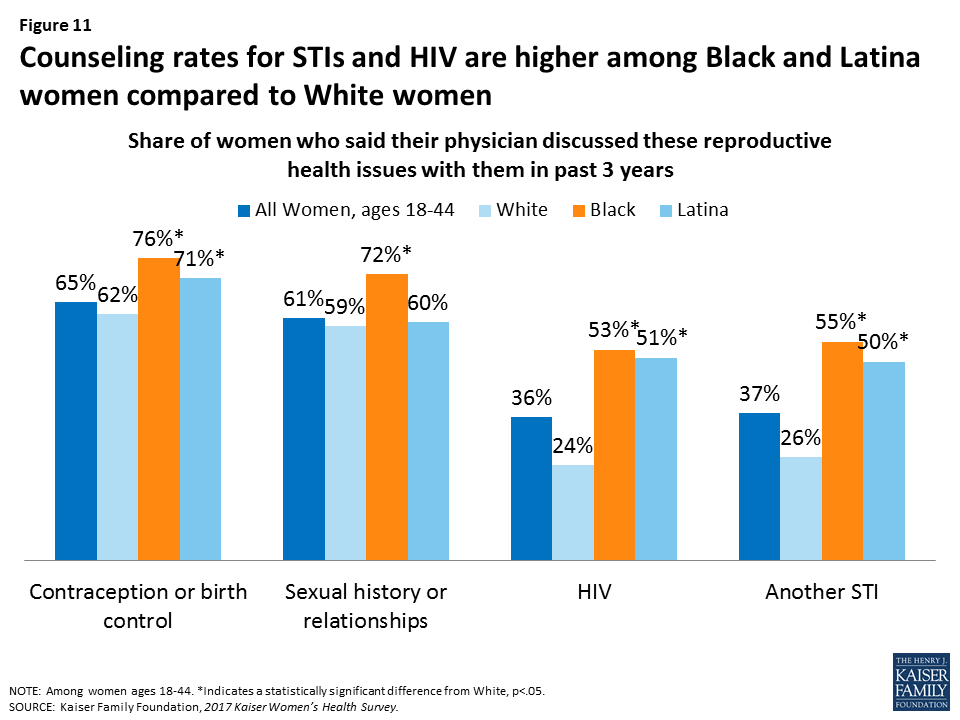
Teens, Sex Ed and Birth Control #NAAM2019


By Trace Hentz (blog editor)

For generations in America, after a teenager’s “mistake,” adoption fixed up her problem like a band-aid, one that didn't stick that well.  
           
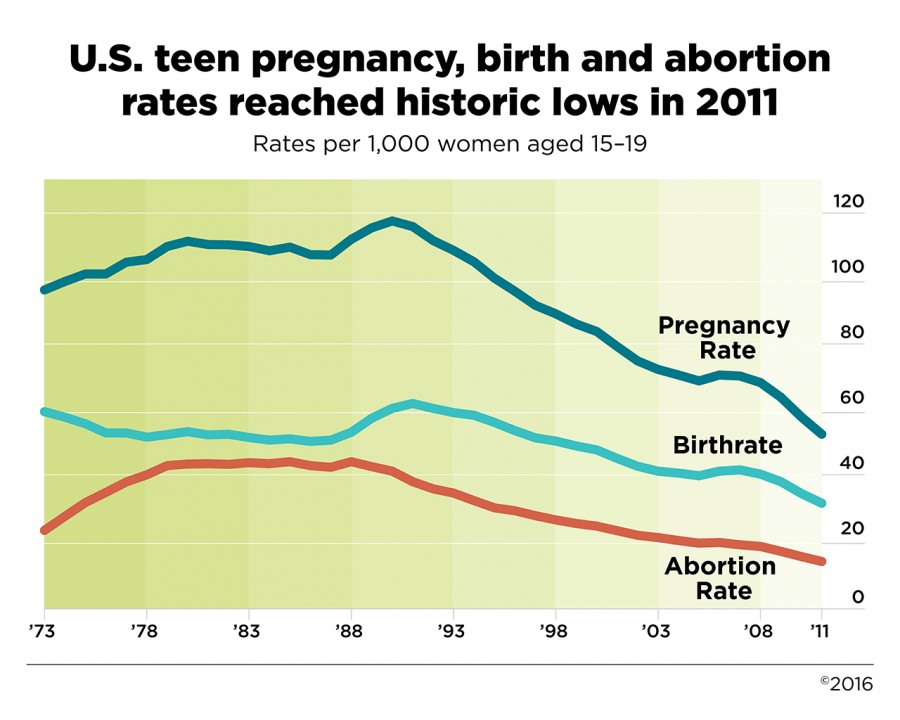
Though teen pregnancy has slowed down in recent years, teens have not stopped having sex and babies because living in the Dark Ages, we project our fears, phobias and religious beliefs onto them.


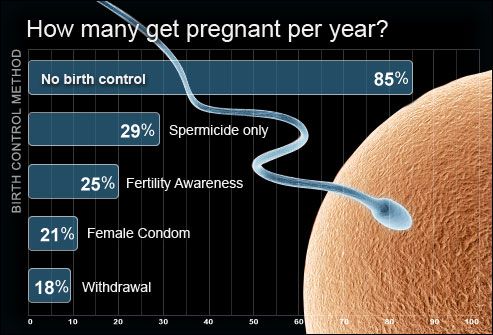
It’s not that I don’t understand how a 12 -18 year old girl can get pregnant. But she shouldn't have gotten pregnant in the first place. She should have had information available to her so she wouldn’t get pregnant by mistake.  Once a girl has her first menstrual cycle, she can get pregnant. It's that simple. Boys and girls needs to have sex education very early.


But we have the same old problem, even in 2019, when the Vatican maintains birth control is evil and not allowed. If caught using it, you are ex-communicated.


Hey, this isn’t preschool – if she’s old enough to get pregnant, both he and she are old enough to have information.  She has the right to know, the right to use (contraceptives) and the right to choose.


Why do we keep information from girls who could become pregnant?  That question answers itself.  In many religions in 2019, it’s still a sin to have sex when you’re not married.  You’re supposed to be a virgin when you marry.  You’re immoral if you fail.  You are supposed to abstain from sex and say no.  If you fail, in many parts of this country, the baby goes up for adoption. It’s a Christian thing to do, a moral thing to do, the only thing you can do.  Actually the girl is not ignorant, it’s those who keep her misinformed or in the dark who are ignorant.  


What is immoral is any country that won’t educate children and teens about pregnancy, sexually transmitted disease and AIDS.  We’re killing them with ignorance. 

Here in America, religious and government leaders devised a better solution – tell all kids to abstain. How absolutely ludicrous! You tell them to not have sex and look the other way when you’ve got them at their most curious and confused, hormones raging. 
 
I read in a Rhode Island newspaper in 2004, there was a group of protesting college students carrying signs “Keep your rosaries off our ovaries.”

Speaking of organized religion, how demeaning to girls and women – and condescending to say the least – that she is solely responsible or to blame - that she must control the decision whether to have sex… Or she’s condemned for using birth control, if she can get her hands on it or even afford it.   

Again, the same rules don’t apply to the boys.

If girls do have information and can use and buy contraceptives, wouldn’t this curb unplanned pregnancies and the need for more adoptions? Yes, it would and it has.
                

Perhaps people who read this will invent new ways to educate all teenagers about reproduction and sex and STDS and not push adoption as the sole solution ever again. 

and then this tweet:

Sunday, November 10, 2019

What adoption cost me #NAAM2019

Edie holding me in 1957
reblog from 2014

By Trace L Hentz

Someone asked me recently what had adoption cost me personally.
 

What a loaded question, I shot back in my email. I said I needed to think about it.
Obviously I didn't ask to be adopted!
 

This situation was thrust on me by a damaged 22-year-old small-town Wisconsin girl who loved Chicago night-clubs and partying too much. She didn't want me after my 28-year-old father (also a big drinker) kicked her out. He moved back to his Illinois farm-town and found a new wife. She went to an unwed mothers home in Minnesota and signed me away.
 

If my soul wanted a big test this lifetime, this was clearly the route to take. Finding out neither would ever look for me? That painful discovery cost me.
 

What kind of man would desert a woman carrying his child and who would tell a woman she cannot keep her own baby? Who made them this way?  Belief systems, religions, social workers, neighbors, parents, judges, priests? Even your own family can be so damaged, it's risky to find them. There are times now I wish I had never looked but I had to know why I was adopted. Taking risks to find out the truth cost me years.
 

Being told by my natural mother to never contact her again? That rejection cost me.
 

I made all the moves, made all the calls, did all the travel and took all the risks to find both parents. I put myself out there to join a family who didn't even know I existed or cared that I did. That hurt cost me.
The adoption trade in babies was booming in the 1950s. In my opinion my adoptive parents were not carefully screened. Despite his raging alcoholism and their marital discord after two miscarriages, Catholic social workers still qualified them to be my parents. Very young I was sexually molested by my adoptive dad. That betrayal cost me.

I had to pretend for years I was alright when really I wasn't. I tried to live up to their expectations and be the baby they lost. That impossible situation cost me.
 

My adoptive parents didn't know adopting kids won't fix a marriage and might even make it worse! I had to suppress my shock and disappointment in them for too long. It took me years to get therapy and counseling that worked.  This delay cost me.
 

My lack of trust and being able to love someone cost me a marriage.
Many years later I was shocked to learn my ancestry. My father, who had the Native blood, didn't intervene to keep me. How did that make me feel? Betrayed.
 

I had no idea what to think about being Shawnee/Cherokee since there was no one alive to reconnect me to my tribal culture. That cost me.
How can you measure cultural loss when there is no dollar amount or apology that can undo what happened? There is no way to get that back.

What did adoption cost me? Everything.
What did adoption give me? The strength to persevere.

CLICK OLDER POSTS (above) to see more news

CLICK OLDER POSTS  (above) to see more news

MEGWETCH THANK YOU

HUGE Thank you for visiting this blog and sharing this with your kin. It's appreciated. Contact Trace anytime! Use the form below.

BOOKSHOP

Please use BOOKSHOP to buy our titles. We will not be posting links to Amazon.

Popular Posts

To Veronica Brown

Veronica, we adult adoptees are thinking of you today and every day. We will be here when you need us. Your journey in the adopted life has begun, nothing can revoke that now, the damage cannot be undone. Be courageous, you have what no adoptee before you has had; a strong group of adult adoptees who know your story, who are behind you and will always be so.

OUR HISTORY

OUR HISTORY
BOOK 5: Lost Children of the Indian Adoption Projects