BACK UP BLOG (no longer updating)

This blog was a backup for American Indian Adoptees blog
USE THE SEARCH BAR or SEARCH TOPICS at bottom of this blog

If you need support

Support Info: If you are a Survivor and need emotional support, a national crisis line is available 24 hours a day, seven days a week: Residential School Survivor Support Line: 1-866-925-4419. Additional Health Support Information: Emotional, cultural, and professional support services are also available to Survivors and their families through the Indian Residential Schools Resolution Health Support Program. Services can be accessed on an individual, family, or group basis.” These & regional support phone numbers are found at https://nctr.ca/contact/survivors/ . MY EMAIL: tracelara@pm.me

Search This Blog

Showing posts with label World Suicide Prevention Day. Show all posts

Monday, September 23, 2024

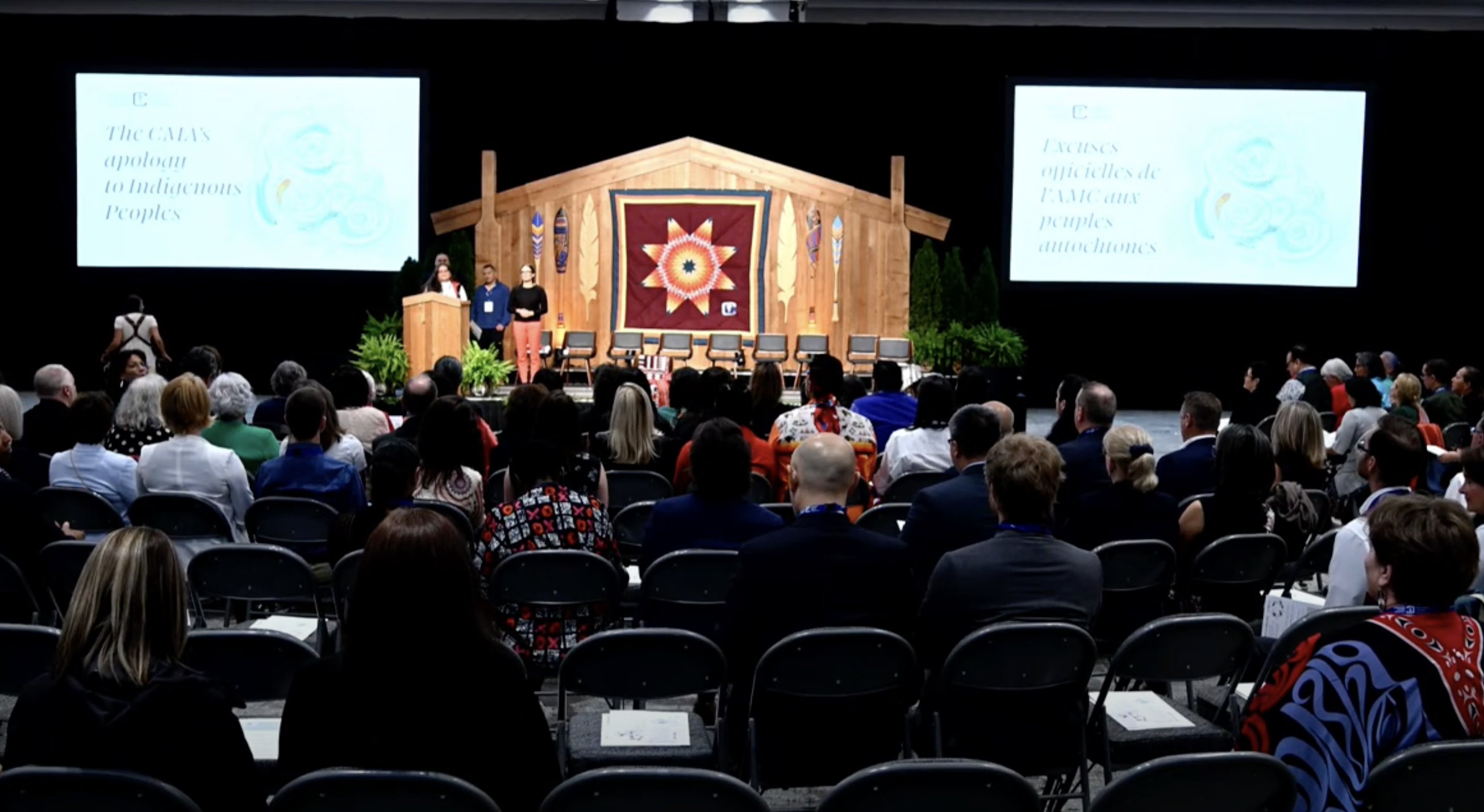
Canadian Medical Association Apologizes for Harming First Nations People | HEALING STONE at Seneca

The Canadian Medical Association (CMA) apologized for its role and the role of the medical profession in past and ongoing harms to First Nations, Inuit, and Métis Peoples in the health system.

In presenting the apology at a ceremony held on Wednesday, Sept. 18, in Victoria on the ancestral lands of the lək̓ʷəŋiʔnəŋ-speaking people of Songhees and Xwsepsum Nations., CMA President Dr. Joss Reimer spoke of the organization's commitment to being accountable and working together with Indigenous Peoples to do better in the spirit of humility and reciprocity.

“We have not lived up to the ethical standards the medical profession is expected to uphold to ensure the highest standard of care is provided to patients and trust is fostered in physicians, residents and medical students,” she said. “We realize we have left Indigenous Peoples out of that high standard of care.”

The ceremony also included singers, drummers, dancers, musicians and storytellers.

Approximately 225 guests, including local and national Indigenous leaders, members of the CMA Indigenous Guiding Circle and Indigenous Survivors listened as CMA leadership outlined the organization’s path to an apology.

“Today, we turn the first page of a new chapter in the CMA’s history,” said Dr. Alika Lafontaine, CMA president (2022–23). “It's a chapter that we hope First Nations, Inuit and Métis Peoples can write with us together, as we work toward a health system that provides Indigenous Peoples with the right care, at the right time, in the right place, in a good way.”

That path included an in-depth review of more than 150 years of archives, which revealed the role the CMA, and the medical profession, have played in the mistreatment of Indigenous Peoples, whether through action or inaction.  These harms include the devastating impacts of Indian hospitals, forced medical experimentation, forced sterilization, child apprehensions, systemic racism, neglect and abuse within the health care system.

The CMA’s first Indigenous president, Dr. Lafontaine announced the association’s commitment to an apology in June 2023, as an important part of the CMA’s response to the Truth and Reconciliation Commission of Canada’s Calls to Action.  With the goal of creating meaningful change in health care and in the relationship between physicians and Indigenous Peoples, the CMA is hoping the apology inspires members of the profession and medical organizations to begin their own reconciliation journeys.

Building on past reconciliation work, the CMA’s ReconciliACTION Plan outlines how it will advance health and well-being for Indigenous Peoples, support the medical profession’s journey toward truth and reconciliation, and promote internal reconciliation as an organization.

SOURCE: https://nativenewsonline.net/health/canadian-medical-association-apologizes-for-harming-first-nations-people 


Seneca Iroquois (Alleghany) Museum: https://www.senecamuseum.org/

The Healing Stone will remain at the cultural center for two years before returning to New Zealand for the next World Indigenous Suicide Prevention Conference. Alongside the stone, the Seneca Nation received other gifts from previous conference hosts, which will also be displayed at the cultural center.

The Onöhsagwë:de’ Cultural Center is open six days a week and offers exhibits, collections, and educational programs. To learn more visit their website.


LOCATION: Salamanca, New York 

ALSO READ: Healing Stone from World Indigenous Suicide Prevention Conference on Display at Seneca Museum

Thursday, September 10, 2020

“I Need Angels” is a song for hope on September 10th — World Suicide Prevention Day


GUEST POST by Adrian Sutherland (Attawapiskat First Nation)

It was four years ago. I had just gotten back from my month-long annual spring hunt out on the land, during which time I had no contact with the outside world. Upon returning, the first news I heard was that there had been a stream of suicide attempts in my community of Attawapiskat, an isolated Cree village on the coast of the James Bay in Ontario. Everyone was talking about it, and media across the country were covering what was being referred to as a “suicide crisis” in Canada’s north.

I was shocked. Like many others, I just couldn’t understand what had happened. Why were these kids — they were kids, all of them — suddenly trying to take their own lives? It was devastating and it really bothered me. I didn’t know what to do, or how to help.

I recall talking to others, trying to learn about the issue. It was extremely difficult trying to pry information from frontline workers due to the sensitive nature and confidentiality of patients and clients, but one professional did confess there over 30 attempts in the span of one month. Thirty attempts! That’s equal to one attempt per day! That was a truly startling number.

No one has the answers or knows how to deal directly with social issues, especially when it comes to remote places across Turtle Island. Quite often the issues are complex and deep-rooted, stemming from intergenerational trauma that is not easy to heal. A lot of the social challenges quite largely get ignored because people simply don’t know where to start. This is especially true in Canada’s northern Indigenous communities where adequate social and mental health resources are seriously lacking. I also know these same social issues have impacted too many of our relatives in Indigenous communities throughout the U.S.

Even though I didn’t know what to do, I knew I had to do something. Being a musician and songwriter, the only way I could think of to try and help was to use my craft. So I wrote a song called “I Need Angels.” It tackles the topic of depression and suicide, while instilling hope with messaging about not giving up.

We chose “I Need Angels” for Midnight Shine’s debut music video, and a small video crew from Vancouver and Winnipeg travelled to Attawapiskat to shoot it. Being able to make this video in my community meant a lot to me, but I’m not going to lie — it has also taken a toll on my own mental health. I have to contend with my own challenges, because like most families in the north, we’re struggling, too. But I find it’s important and helpful for me to debrief and talk about what I’m feeling, and how all this affects me.

To be honest, I was reluctant to move forward with recording “I Need Angels,” because I felt it was a topic most people were not ready to talk about – especially people who have lost loved ones to suicide. But I’m glad I chose to move ahead with recording it, and including it on our third album, High Road, which was released in 2018.

With the release of the “I Need Angels” in November 2018, and a lot of media interest in the story behind the video, I have had to talk about it many more times than I wanted to. Talking about it and thinking about it so intensely for several months was tough, and often draining. There are times I wondered if I made the right choice to write this song and make this video, taking on such a difficult and sensitive topic.

And then at other times I will receive an email or social media message from someone who has heard the song, or watched the video, and they wanted to write and say thank you. They want to let me know the song brings them hope, or has helped them or their loved ones in some way. At these times, it feels like the right choice, and it makes me proud to know that my music does make a difference.


(Adrian Sutherland is a singer, songwriter, musician, recording artist and the frontman and founder of roots-rockers Midnight Shine, making meaningful music with important messages that resonate across Canada and beyond. “I Need Angels” is approaching nearly 100,000 YouTube views. 


Find out more about Adrian and Midnight Shine at https://midnightshineonline.com/.

CLICK OLDER POSTS (above) to see more news

CLICK OLDER POSTS  (above) to see more news

MEGWETCH THANK YOU

HUGE Thank you for visiting this blog and sharing this with your kin. It's appreciated. Contact Trace anytime! Use the form below.

BOOKSHOP

Please use BOOKSHOP to buy our titles. We will not be posting links to Amazon.

Popular Posts

To Veronica Brown

Veronica, we adult adoptees are thinking of you today and every day. We will be here when you need us. Your journey in the adopted life has begun, nothing can revoke that now, the damage cannot be undone. Be courageous, you have what no adoptee before you has had; a strong group of adult adoptees who know your story, who are behind you and will always be so.

OUR HISTORY

OUR HISTORY
BOOK 5: Lost Children of the Indian Adoption Projects