Friday, February 21, 2025

New book educates on reality of sex trafficking
By Miriam Lafontaine -
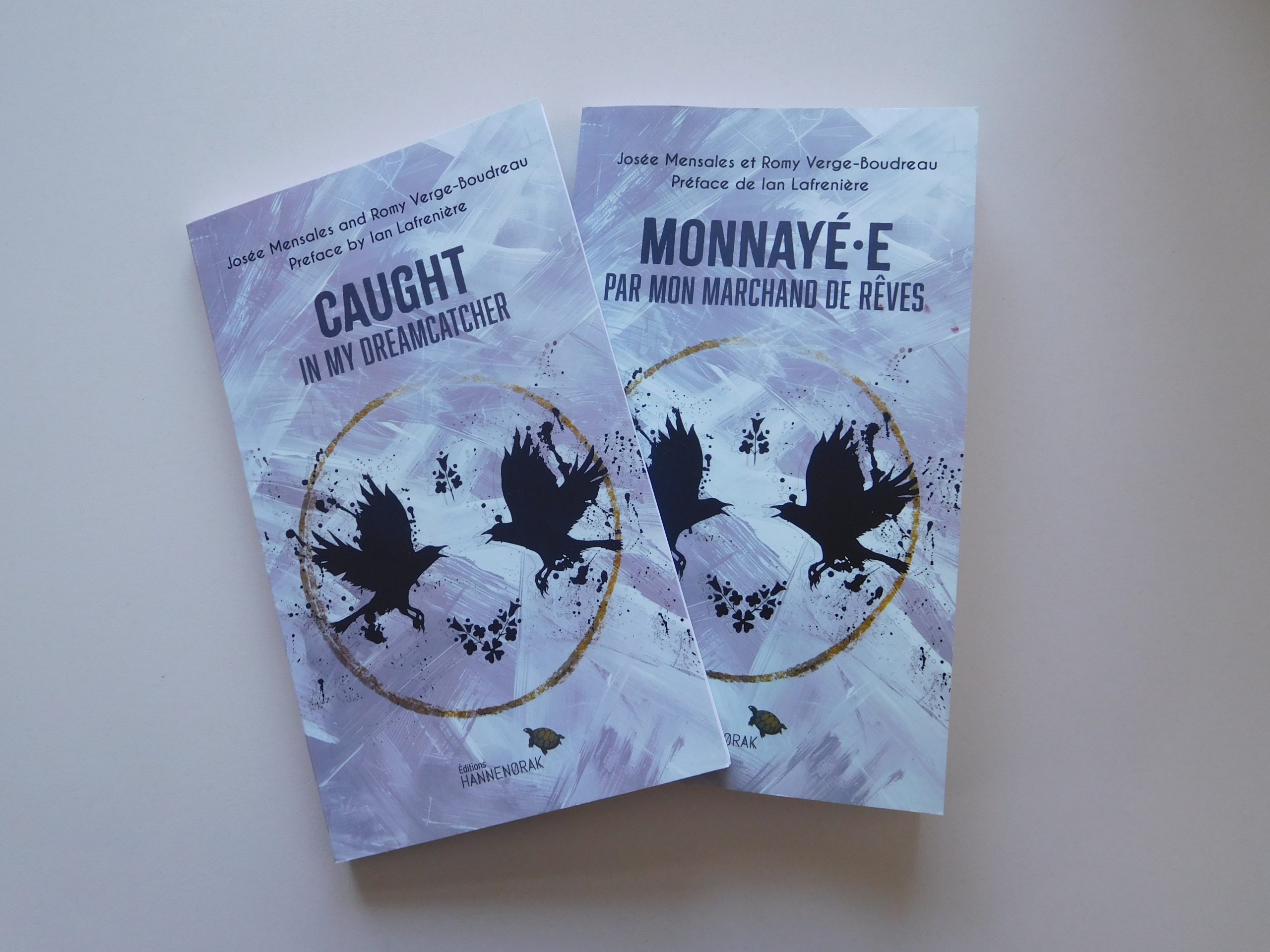
Sex trafficking happens in every community. That’s the message behind Caught in my Dreamcatcher, a new book written by two Montreal police officers.
“It hits in the best of families. It hits no matter where we come from. It’s a crime of opportunity,” said Josée Mensales, who co-wrote the book alongside her colleague Romy Verge-Boudreau.
The two also work for the Surete du Québec (SQ) unit dedicated to arresting those who profit off the sale of others, touring communities all over the province prior its publication last week.
Caught in my Dreamcatcher (ISBN : 9782925118640) is currently being sold at Renaud Bray. Both print and e-book versions of the book can also be purchased directly from the website of its publisher, Éditions Hannenorak. PUBLISHER: https://editions.hannenorak.com/catalogue/monnaye-e-par-mon-marchand-de-reves/
KEEP READING:
https://easterndoor.com/2025/02/21/new-book-educates-on-reality-of-sex-trafficking/
Wednesday, February 19, 2025
Leonard Peltier is finally free, finally home

I wanted to share how I was able to interview the most famous political prisoner in the world in 1998.... Trace
CLICK TO READ: https://laratracehentz.wordpress.com/2025/02/19/leonard-peltier-is-finally-free-finally-home/
Peltier released from Coleman Prison
My 1998 interview with him that ran in News From Indian Country:
https://laratracehentz.wordpress.com/2016/08/05/parole-denied-peltier-waits-for-justice/
Tuesday, February 18, 2025
What Greenland’s Indigenous Inuit really want

(and it’s not to be a part of America)
Podcast: Play in new window | Download
Greenland hasn’t had this much attention from America since the William Taft Administration. Rhetoric, and even a few congressional proposals, are flying over the prospect of the United States purchasing — or perhaps invading — the autonomous territory of Denmark. Strategic positioning and untapped mineral resources are the main drivers of the argument. The likelihood of such an action appears remote. The Inuit people, who make up the vast majority of the population, are more seriously focused on independence from the colonial power of Denmark and cooperative efforts to reduce the effects of climate change. We’ll hear from elected leaders and other Greenland residents about the current political pressures.
Thursday, February 13, 2025
‘Ambiguous Loss’ — A Team of Researchers is Learning From Indigenous Women Whose Children Were Adopted

Hoping to offer a rare in-depth look into how placing children for adoption impacts the lives of Indigenous birth mothers, a group of researchers is continuing efforts to document the experiences of American Indian and Alaska Native women.
Their study, believed to be the first of its kind, focuses on mental health and grief. The research is being carried out in stages and has already surfaced several themes, including “ambiguous loss” — “a stressful and traumatizing’’ event that occurs when there is “no verification, closure, rituals for support, or resolution.’’
A small sample of Indigenous birth mothers informed the study’s initial findings, originally published in a 2022 peer-reviewed article in the Family Process journal. Now, researchers intend to expand their work by surveying a larger number of Indigenous mothers and further examining the roles of culture and history. Participants are being recruited online, and through word of mouth and flyers being distributed throughout rural and urban Indigenous communities.
Understanding the systemic challenges that lead to Indigenous women’s children being placed for adoption might ultimately help inform future child welfare and adoption practices, said Sicangu Lakota elder Sandy White Hawk, lead investigator. Such insights might also lead to a better understanding of the specific support Native birth mothers need during and after an adoption, researchers said.
“It is my hope that it will motivate policy change on child removal — that child welfare will begin to focus on family healing rather than child removal,” White Hawk said.
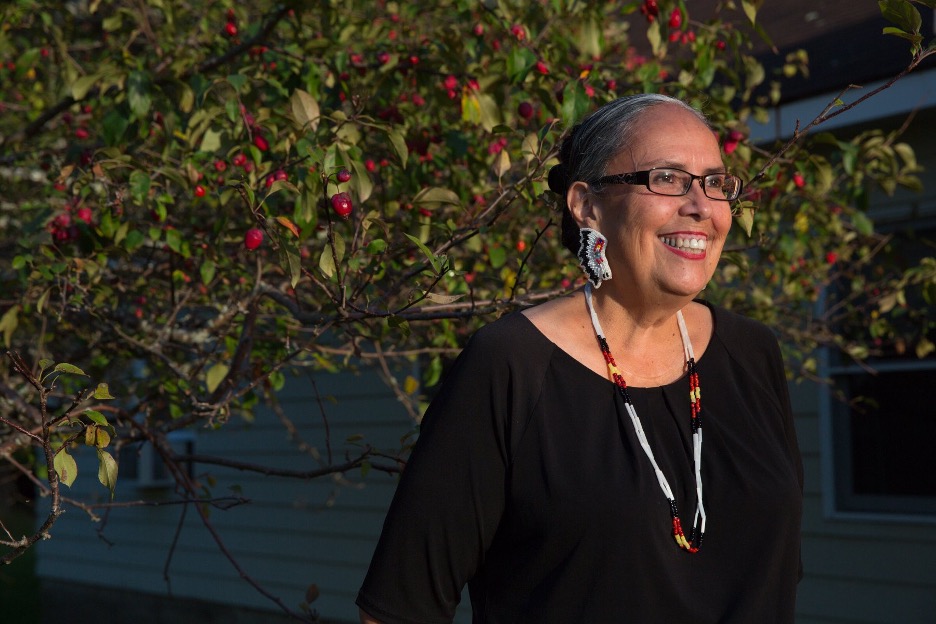
White Hawk’s interest comes from a personal place — she was adopted at 18 months old. She is the founder and director of the Minnetonka-based First Nations Repatriation Institute, which helps Indigenous people impacted by adoption or foster care reconnect with their families and identities.
For the study’s initial phase, her team interviewed eight women from Minnesota, Washington, New Mexico, North Dakota, Alaska, Oregon and Wisconsin. Researchers acknowledged the small sample size but said the interviews yielded “rich data’’ nonetheless.
Researcher Ashley Landers said previous studies involving the impact of foster care and adoption on birth mothers have mainly centered on the lives of white mothers.
“I don’t think it’s by chance that no Native birth mothers were included in birth parent research prior to this,” said Landers, an associate professor in the Department of Human Sciences at Ohio State University. “Their part of the story has been largely omitted — Native birth fathers have also been omitted, and the larger Native family impact is oftentimes not part of adoption research.”
History weighs heavily on the experiences of Indigenous birth mothers, making them “distinct from other races as they have been disproportionately exposed to systemic practices of forced child removal,’’ White Hawk’s team posited in the 2022 published article. Culprits include U.S. policies that coerced parents into relinquishing their children to boarding schools, and the Indian Adoption Project — a federally funded effort in the mid-20th century to force the assimilation of Native American children into white families.
Also harmful, they wrote, is the ongoing disproportionate removal of Native children from their parents through the country’s child welfare systems.
Taking this broader cultural context into account is crucial to understanding how adoption impacts the well-being of Native women, whose grief may be complicated by intergenerational trauma, researchers wrote. Two of the original study participants grew up in foster care, and one is a descendant of boarding school survivors.

In all, the eight study participants were between the ages of 33 and 77 at the time of the survey. Each had experienced separation from a child through adoption or foster care between 1959 and 2010.
Birth moms bear witness
The eight birth mothers lost a combined 10 babies under age 1 to adoption. Most of the children were placed in adoptive homes at birth. Only two children grew up in a Native adoptive home.
A majority of those interviewed were 23 years old and younger when they gave birth. A Washington state birth mother was 13 years old and in foster care when she became pregnant. Her foster mother put her into a home for “unwed mothers,” the woman reported.
Some tried to hide their pregnancies out of a sense of shame or fear of repercussions. They lacked essential resources, such as income and family support. Some had struggled with homelessness.
Many women said they “felt expected” to give up their babies and reported being pressured by parents or partners, according to the published study. Others were afraid to keep their infants because they were in an abusive relationship.
In terms of the events that contributed to a sense of ambiguous loss’ among the women, several recalled being denied the opportunity to say goodbye. A lack of closure also occurred in cases in which mothers said they were told the adoption would be “open,’’ but those agreements were not upheld. Some reported being confused. It didn’t occur to them that their time after giving birth would be the final moments they would see their babies.
Researchers also queried the women about their mental health and well-being following the adoptions. Feelings expressed included guilt and unresolved grief that lasted years. A Minnesota woman shared how her experience led to a lifetime of self-imposed isolation.
“I don’t have a lot of people close to me — from that fear of losing family and fear of losing my daughter, and I don’t have the best relationship with my kids,” she said.
Depression and anxiety were common, and some reported substance abuse challenges that were either pre-existing and exacerbated by the adoptions, or began afterwards.
“I wasn’t a drug user or an alcohol user until that happened,” a birth mother from Oregon said. “This was drinking to get so drunk that you fall asleep or getting high and just throwing yourself into really bad situations because you don’t want to deal with what you’ve been through.”
Not every experience reported was negative. Some mothers said the schools, social services agencies or churches facilitating their child’s adoption were helpful. A woman from New Mexico said in her case, they “made all the arrangements.”
And a few birth mothers reported feeling “relief” after the adoption, and that they had done “the right thing.’’
“I was so young, and I was like, can I really be a parent…I think adoption might be the best route,’’ one woman said. “I think about it now, and how brave I was to do that.’’
“We forget about our birthmothers. They carry tremendous guilt and shame, many of them for being in the wrong place at the wrong time, when they were targeted by institutions and professionals disguised as helpers.”
— Researcher Ashley Landers
Five women voiced a common belief that “culture as medicine” allowed them to assuage the pain of giving up their children and was a key component of their resilience.
“As an adult I got back into my culture and, fortunately, when I got back into my culture was when I started speaking candidly about my past,” the Minnesota mother said. “So, I think it’s helped.”
Next steps in the research
Landers said the next phase of research will document additional instances of perceived coercion and examine how birth mothers navigated their lives over time. The goal is to recruit at least 20 participants for the new survey, but researchers have the capacity to include up to 50 women, she said.
Opinions from birth mothers about how best to facilitate healing will also be solicited. “Talking circles,” which are built around women with shared experiences, was one example mentioned in the 2022 article.
Landers said, researchers want to know how to help Indigenous birth mothers recover from ambiguous loss. This information will be presented to tribal leaders and the larger Native community, through national conferences and other forums.
“We forget about our birthmothers,” Landers said. “They carry tremendous guilt and shame, many of them for being in the wrong place at the wrong time, when they were targeted by institutions and professionals disguised as helpers.
“I am not sure there is a way to right the wrongs that have been done to Indigenous birth mothers and their children,’’ she continued, “but acknowledging their suffering is a step in the right direction.”
Wednesday, February 12, 2025
How Bison Restoration Seeks to Heal the Quapaw Nation | NowThis
For many Native Americans, the restoration of buffalo/bison is as much about healing people and reviving our culture as it is about healing the land. Bison once roamed the US prairie in millions, and had a close affinity with Native populations who used them for sustenance, health, homes, preservation of ecosystems, etc. After colonists moved in, many of them were killed for sport, or even intentionally to subjugate Native populations. There are several efforts ongoing in the nation to improve bison population and 'rewild' them by slowly introducing packs into the wild. This has been done successfully in Montana and Oklahoma.
Tuesday, February 11, 2025
‘Denying our truth’: The fight against residential school denialism in Canada

|

|
|

Monday, February 10, 2025
Passing it onto the next generation : Follow (Thesis Film) Sheridan College 2023
A child named Nimkii follows a mysterious blue butterfly away from his mother deep into the thick of the forest. Once caught Nimkii quickly realizes the butterfly is something not from our world..
STORY:
Passing it onto the next generation
Brent Beauchamp, an animator from Six Nations of the Grand River in Ontario, says he was shaped by the women in his family — particularly his older sister Emmaline, who had a hand in raising him.
He created the short film Follow that's toured film festivals worldwide to honour Emmaline's own motherhood, and to share the importance of matriarchs in Indigenous families.

"Women in our communities play a huge role, especially being from Six Nations and the Haudenosaunee people.… Historically, women not only raised and taught children, but they also controlled lands," said Beauchamp, who is Onondaga/Haudenosaunee on his mother's side and Algonquin/Anishinaabe on his father's side.
"They had so much power in our communities."
Follow tells the story of Nimkii, a young child who is lured away from their mother by a shape-shifting spirit.
Emmaline, who translated Brent's script into Anishinaabemowin and voiced Nimkii's mother, says the work was deeply meaningful.
Night Raiders (Netflix)
‘Night Raiders,’ the sci-fi thriller film, invites the viewers on an adventure in a dystopian future that parallels the cruelties of the past. In a world where the government mandates for children to be taken away from their families and raised as military, the narrative follows Niska, a single mother, and her young daughter, Waseese. Despite Niska’s best attempts, she loses her daughter to the authorities. Yet after discovering a secretive vigilante rebellion group on a mission to save as many children as possible, hope rekindles for Niska, who might just rescue her daughter from a brutal regime.

Cree storyline is excellent
The
film maintains an engaging storyline that focuses on the raw emotional dynamic
between Niska and Waseese and their unfortunate predicaments. Consequently,
viewers must be curious to know how the tale ends for the mother-daughter duo. REVIEW: https://thecinemaholic.com/native-american-movies-on-netflix/
Night Raiders is on NETFLIX and I watched - it's REALLY good and reminded me of the dystopian books I've read by Cherie Dimaline. ... Trace👇

The Marrow Thieves is a young adult dystopian novel by Métis Canadian writer Cherie Dimaline, published on September 1, 2017, by Cormorant Books through its Dancing Cat Books imprint.[3] HUNTING BY STARS is a continuation of Marrow Thieves...
She is most notable for her 2017 young adult novel The Marrow Thieves, which explores the continued colonial exploitation of Indigenous peoples.
Dimaline won the award for Fiction Book of the Year at the Anskohk Aboriginal Literature Festival for her first novel, Red Rooms. She has since published the short story "Seven Gifts for Cedar", the novel The Girl Who Grew a Galaxy, and the short story collection A Gentle Habit.
Read More: Best Native American Movies and Shows On Netflix
PAYWALL: (2020)
‘We’ve Already Survived an Apocalypse’: Indigenous Writers Are Changing Sci-Fi
https://www.nytimes.com/2020/08/14/books/indigenous-native-american-sci-fi-horror.html
Sunday, February 9, 2025
Indigenous communities reclaim 41 remains, hundreds of artifacts from WWU
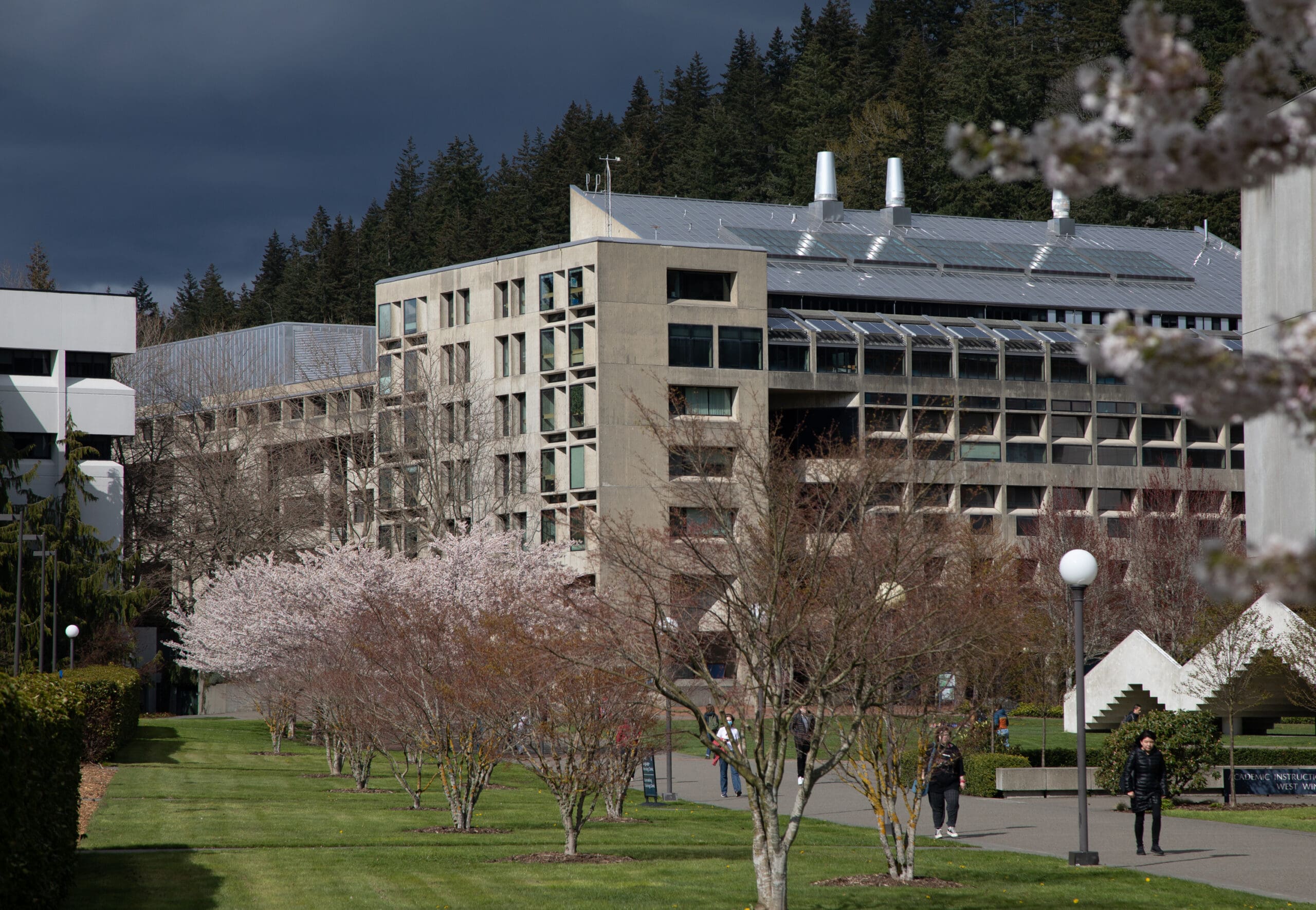
Repatriation does not mean those items have been physically returned to the Indigenous communities they belong to, explained Alyson Rollins of Western. Rather it means, legally, those items are “no longer in our control, but they’re still in our care.” Tribes can pick up the remains and artifacts at any time.
A database released by ProPublica in January 2023 prompted a nationwide look into the more than 600 institutions that possess remains, including Western. Institutions that receive federal funding have been required since 1990 to return “cultural items” and remains to American Indian Tribes, Alaska Native villages and Native Hawaiian organizations, after the passage of the Native American Graves Protection and Repatriation Act (NAGPRA).
Western has repatriated artifacts since before NAGPRA, but committed in 2023 to accelerating its efforts.
The university is in possession of 63 culturally affiliated remains — 41 of those have been repatriated. Another 18 remains have unidentified tribal affiliations, meaning Western must work with 34 Native American tribes and Canadian First Nations to determine where they belong.
Five remains have been physically transferred to ancestral communities. Rollins, who is the new NAGPRA program and collections manager at Western, said the university is still storing the rest for various reasons. For example, a tribe may have requested the university hold the items until members can pick them up.
Tribes are not bound by federal deadlines like institutions are, NAGPRA Advisory Committee Chair Judith Pine said. Communities can decide for themselves when to physically retrieve the remains and artifacts.
Pine said Western is “standing by to facilitate and assist.” Pine and Rollins describe the university’s relationship with local tribes as “long-standing” and positive.
Western returned three ancestral remains to the Swinomish Indian Tribal Community, Josephine Jefferson, the Swinomish Tribe’s historic preservation officer told CDN in a January email. She said they’re now being taken care of by the tribe’s “spiritual people and elders.”
“This is where they belong,” Jefferson told CDN in 2023. “They don’t belong in a science lab. They don’t belong in a museum to be looked at. And they don’t need to be studied, because we are human, we are people, and we’re the first peoples of this land.”
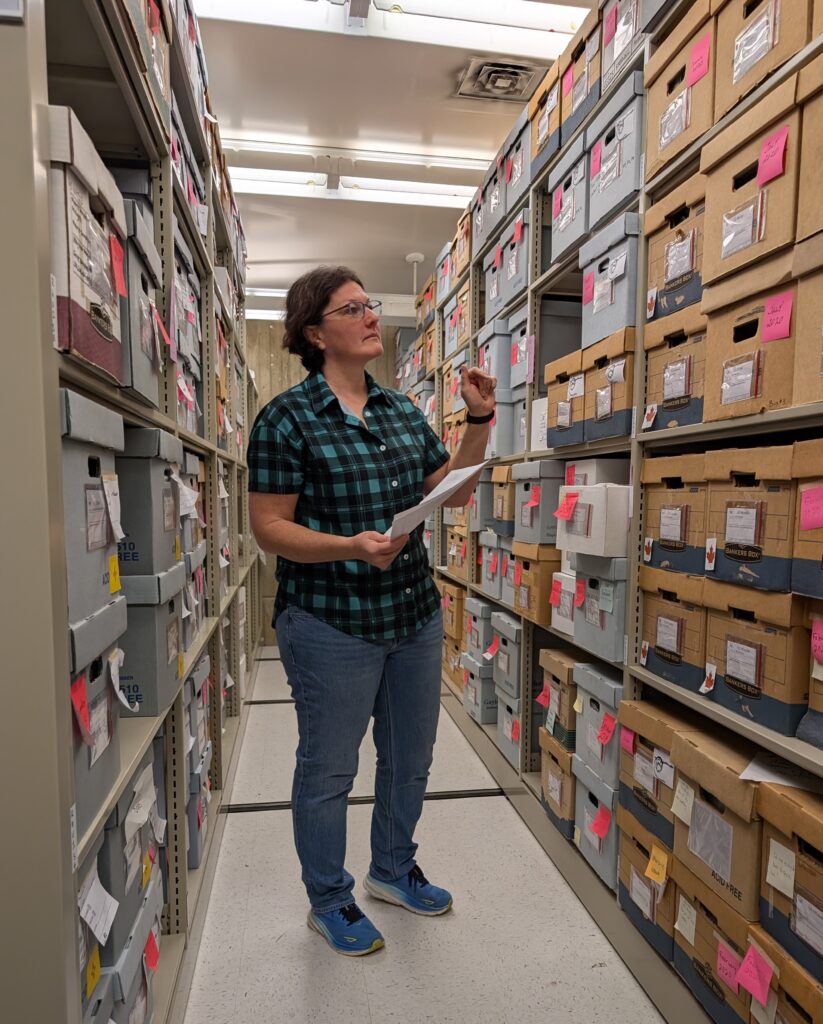
Rollins, who was hired in summer 2024, has now submitted documentation for all 63 culturally affiliated remains to the federal government. While the university won’t speak in detail on what is in its collection, some recent filings to the Federal Register paint a picture: A December filing reported remains of three individuals and 18 funerary objects including bone, stone and antler tools, and a whale rib, likely connected with the Lummi Nation or the Nooksack Indian Tribe.
Rollins has been at Western since 1995, and she isn’t new to the field of repatriation — she’s been working on those efforts her entire career. She worked for the Lummi Tribe in 2003 for a few years on their efforts to have their ancestors returned.
Western’s Tribal Liaison Laural Ballew said in a statement to CDN that she has known Rollins since 1999, and she has “demonstrated an unwavering commitment to partnering with tribal communities.”
“By learning from them and helping to develop cultural protocols for the handling and repatriation of ancestors, Alyson has earned deep respect and admiration,” Ballew said.
A January 2024 update to NAGPRA requires institutions to defer to Indigenous knowledge when identifying remains and artifacts. Rollins said this has been Western’s practice since the ’90s.
Over the last 14 years, staff at Western have invited anthropological/archeological experts and tribal experts to review collections.
“Side by side in the lab, we went through every bag and every box with the very specific goal of making sure no ancestors were left behind, and that all sacred items that the tribal experts considered needing to be repatriated were identified,” Rollins said.
This work is ongoing, and it’s why the number of remains and artifacts has changed over time. Rollins said she has found fragments of ancestral remains in collections that had already been reviewed.
Rollins sees her role as a facilitator, providing space for tribes with overlapping territories to decide which remains might belong to who.
“I think the process and the relationships will continue to evolve,” Rollins said. “The more transparent we are, I think the healthier the relationships are and the more progress [we make] towards getting everything and everyone home.”
Charlotte Alden is CDN’s general assignment/enterprise reporter; reach her at charlottealden@cascadiadaily.com
CLICK OLDER POSTS (above) to see more news


Popular Posts
-
 2023 Editor NOTE: This is one of our most popular posts so we are reblogging it. (SEE COMMENTS) If you do know where Michael Schwartz is, pl...
 -
White Earth Nation welcomes adoptees home by Dan Gunderson , Minnesota Public Radio October 5, 2007 Listen to feature audio This weekend th...
-
You know everything happens for a reason. I just received the book “Sudden Fury” about an adoptee who killed his adoptive parents in Marylan...
-
I could on for an hour about this but I won't. Fathers have rights and this time, a father got his daughter back after a...
-
 Boston Globe June 2, 1996 REUNION DAY AT 43: NAVAJO NATIVE FINALLY HOME Author: Royal Ford, G...
 -
Editor NOTE: This is one of our most popular posts so we are reblogging it. If you do know where Michael Schwartz is, please leave a comment...
-
T he Métis National Council and the Government of Canada will be working collaboratively, Nation-to-Nation, to develop a process to engag...


OUR HISTORY

BOOK 5: Lost Children of the Indian Adoption Projects