✊🏽✊🏽✊🏽

Watch @aliciakeys use her platform to speak up for Native rights as she accepts the Ambassador of Conscience Award: pic.twitter.com/KTakWxNGRK
— Fusion (@Fusion) May 31, 2017
✊🏽✊🏽✊🏽

Watch @aliciakeys use her platform to speak up for Native rights as she accepts the Ambassador of Conscience Award: pic.twitter.com/KTakWxNGRK
— Fusion (@Fusion) May 31, 2017
✊🏽✊🏽✊🏽
Watch @aliciakeys use her platform to speak up for Native rights as she accepts the Ambassador of Conscience Award: pic.twitter.com/KTakWxNGRK— Fusion (@Fusion) May 31, 2017
READ: https://splitfeathers.blogspot.com/2016/07/toxic-stress-ace-study-violence-trauma.htmlUse the search bar on this blog for more about the ACE study. President Trump’s plan to review and possibly reverse his predecessor’s protection of a wild swath of Utah threatens Indian sovereignty.
 Congress passed the Indian Child Welfare Act (ICWA) to put an end to these destructive practices. ICWA ensures that tribes have notice and an opportunity to act before a state tries to remove children from their home and place. It also provides preferred placements for Native children in need of a safe and loving home—recognizing the immense harm done by removing children not only from their families, but from their cultures.

“My mother, who was 80 per cent native, warned us never to tell anyone we were Indians,” she says. The reason was heartbreaking: Long before Paulette and and her siblings were born, her mother had two children who were taken from her by authorities and put up for adoption.“She never saw them again, and she never, ever got over it,” says Steeves. “Because of that, it was really important to her to hide our Indian-ness.”
The National Indigenous Survivors of Child Welfare Network is pleased to announce the launch of our new logo and... https://t.co/RAcPPcSqMc— Bill Stewart (@liamissa) May 1, 2017
The National Indigenous Survivors of Child Welfare Network is pleased to announce the launch of our new logo and... https://t.co/RAcPPcSqMc— Bill Stewart (@liamissa) May 1, 2017
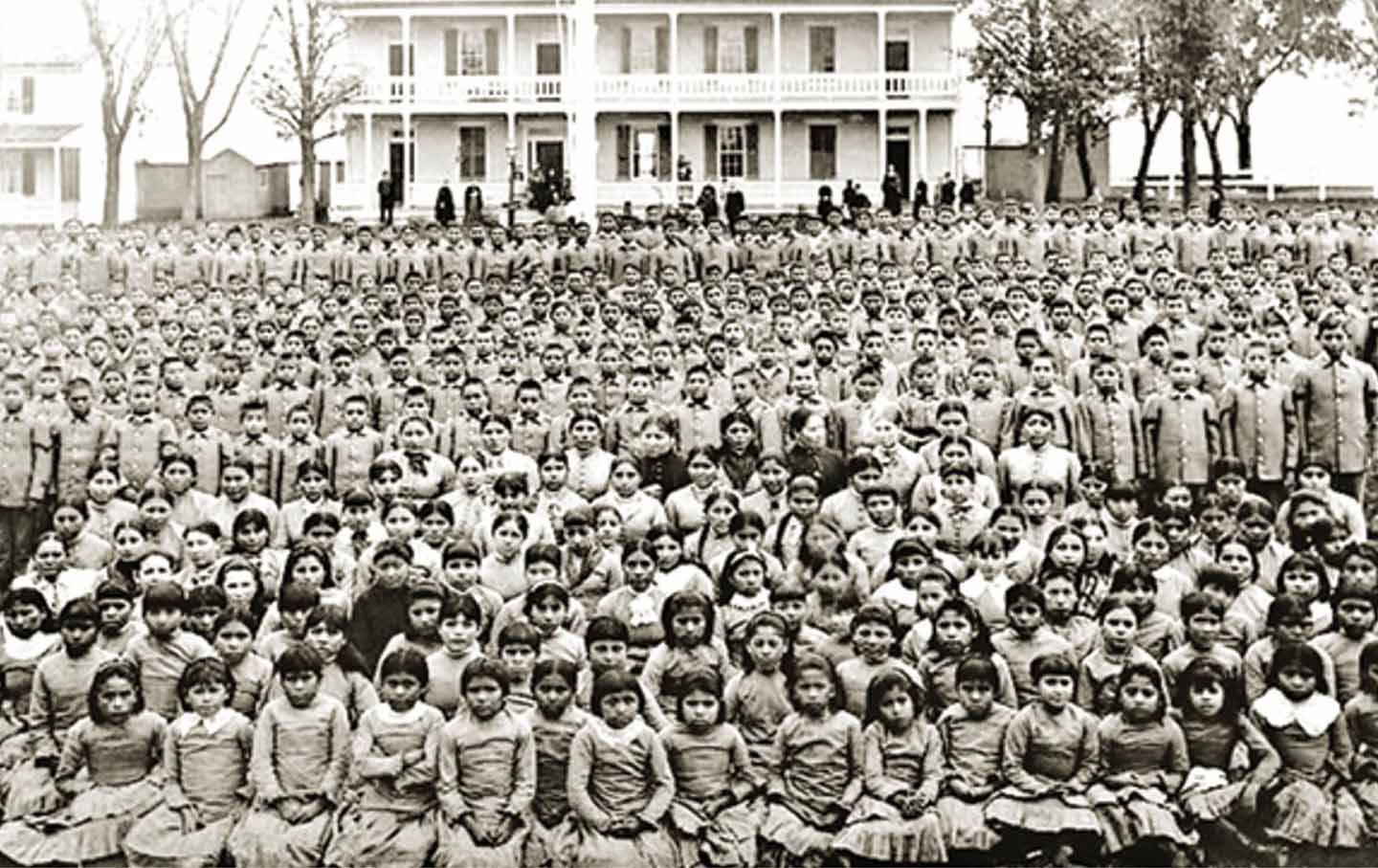
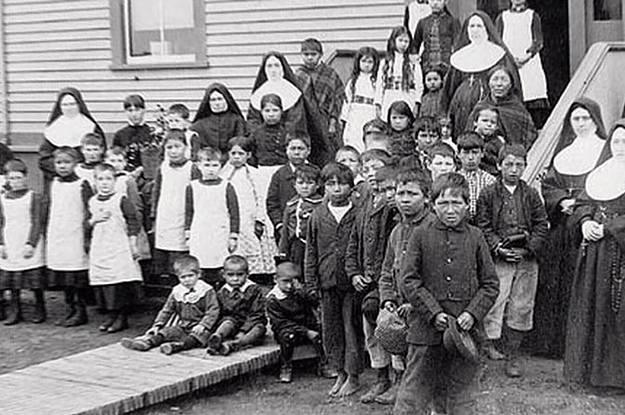 “The“The profound impacts of residential schools are still rippling through our communities today and will continue for generations to come.”“The profound impacts of residential schools are still rippling through our communities today and will continue for generations to come.”
I woke up with two thoughts: there are two victims of adoption who need help and not necessarily from each other: the adoptee and the first mother. Each has its own burden and neither can heal the other.
| Boston Globe June 2, 1996 REUNION DAY AT 43: NAVAJO NATIVE FINALLY HOME Author: Royal Ford, Globe Staff TOLANI LAKE, Ariz. -- She stood in brilliant white sunlight, scuffed the cracked skin of the vast, parched land and stared down at the very spot where the old woman told her she had been born, right there, in a hogan that is gone, beside a field where corn once grew. The woman her family called "the old aunt" reached up with a warm, dark hand and touched her high cheekbone. "You are so like your mother," Besbah Yazzie told her. Weeping in the baked expanse of the Navajo Reservation, they hugged. Yvette Silverman Melanson, stolen along with a twin brother from her Navajo family 43 years ago, raised rich, white and Jewish in Brooklyn, was finally home. "One more of us is still out there and a whole lot more of the others," Melanson said in reference to her missing brother and thousands of other Native American children stolen from their families over the years and put on the black market for adoption. "This is not right. We have to find them. We have to find the boy." Navajo natives had come from across the reservation to welcome her home. In a hot gymnasium here, 60 miles northeast of Flagstaff, the Tolani Roadman -- Medicine Man -- had wept as he told her tale in the native tongue. Behind him, Yazzie Monroe, her father, brushed tears from his weathered cheeks. The old women of the tribe wore their finest turquoise and silver in her honor. Children danced in a colorful whirl of beads and feathers. "I don't know my own culture," Melanson told the gathering. "I am going to need your help in understanding. I am humbled. "Teach me, teach my children" she said. She stood amid the swirling talc-like dust of the reservation, a long way from the cloying green spring back in her Maine home and further still from the life she has lived thus far. As a child, there had been winters at a fine Miami hotel, summer camp in Pennsylvania. Later came long trips to Israel where she marched the length of that land and stood military guard at her kibbutz. After her adoptive parents had both died, there were two stints in the Navy and, later, marriage to a retired scallop diver named Dickie, with whom she now lives in Palmyra, Maine. But forever there had been the question, "Who am I?" She had always known she was adopted, but until three months ago that was all she knew. Then one night while exploring on her computer, she found out. On a national website, she saw that a Navajo family was looking for its lost twins. The trails of her search and theirs crossed in the Southwest. A piece of tattered and fading paper she possessed, bearing the names Yazzie Monroe and Betty Jackson, solved the puzzle. They were the mother and father of the large family that was looking for her. It was an unlikely trinity, ancient and new, that brought her home: the Internet, that scrap of paper, and the mysterious works of the Holy People on her reservation who had held ceremonies to help find her. This weekend, that family welcomes her home. She will stay here for two weeks along with her husband and daughters, Lori and Heather. Her mother died years ago, but her father was there to take her, looking almost fragile, into his great brown arms. Her seven brothers and sisters were there, as were numerous nieces, nephews, aunts and uncles, cousins and members of her clan. "We have always known she was around somewhere," said Nettie Rogers, her sister. "We want to thank the Holy People for bringing back our child, our daughter, to the center," Freddie Howard, a Tolani Lake official, told a crowd that streamed into a gymnasium for ceremonies welcoming Melanson and her family to her birthplace. She had come to the reservation east from Flagstaff, crossing through the Coconino National Forest. The Navajo lands began where the trees ended and a hot, dusty, vastness sprawled ahead. To the South were towns that bespoke stereotypical western violence: Two Guns, Two Arrows; and a place of real cataclysm, a giant crater created when a meteor smashed into the Earth 50,000 years ago. Across the reservation were the four sacred mountains of her tribe, dark, bruised buttes and colorful mesas that glimmered like poured sand art."I've never seen mountains go straight up," she said as they shimmered in the white light of afternoon. Her return came as efforts to find the so-called "lost birds" of the Navajo and other tribes across the country have intensified. After Melanson's story made national headlines and television news last month, a website previously set up by the Lost Bird Society, founded by a Lakota woman named Marie Not Help Him, was peppered with inquiries. And it came as the tribes are fighting a bill in Congress that would make the adoption of Indian children by whites easier. It would weaken a federal law passed in 1978 that requires that Indian children removed from their homes be placed with relatives or other Native families. In welcoming Yvette home, Navajo leaders rose to speak in defense of their children. "We are more than dances, turquoise and rugs," Genevieve Jackson said in a plea that the outside world understand what is happening to Native children. "Yvette's story is the Navajo story," Delores Grey Eyes added. Melanson's father presented her with a Navajo wedding basket symbolizing Mother Earth, Father Sky and a Navajo people planted in harmony between. He said, as another sister, Laura Chee, interpreted, that he was "happy to have his daughter home, and now he wants to know if they can get the boy back." "We must let people know what has happened, what is happening through adoptions," Melanson said, clutching the Navajo blanket the tribe had given her. "My family, my friends back home, were outraged. They had no idea something like this was happening." "The taking of the children has to be stopped," she said. Later, her family took her to her birthsite and told her how she had been taken. She'd been born in a hogan and was sickly. A public health nurse came and took both her and her brother to the hospital at Winslow. The family never saw them again. "Your mother would come to the road here," Desbah Yazzie told her, "and she would hitchhike into Winslow, looking for her children. She never found you, and later all they told her was that the children had been adopted." Yvette Silverman Melanson, born Minnie Bo Monroe, stood in a ceaseless expanse of her birthplace and marveled."You can see forever," she said. "The sky is endless, the land is so big. If someone disappeared, a baby, how would you know which direction to go to even begin to look for them...  |

 |
| www.bluehandbooks.org |
Connecticut is the home to many Native adoptees who were transferred and adopted there from Washington state - yes, all the way across the country! That is the Indian Adoption Projects and ARENA in action.
Its starting. #impact #adopteeslobby https://t.co/EDH7LlUv9s— Access Connecticut (@AccessCT) April 19, 2017
Older birth parents and relatives are dying off, so are some of the adoptees leaving their children and grandchildren with big holes in their personal family health histories. Adds Caffery, “We feel strongly that time is of the essence. It’s time to end this failed social experiment of secrecy and shame. It’s time to threat us as full citizens of our country and our state.”
 |
|
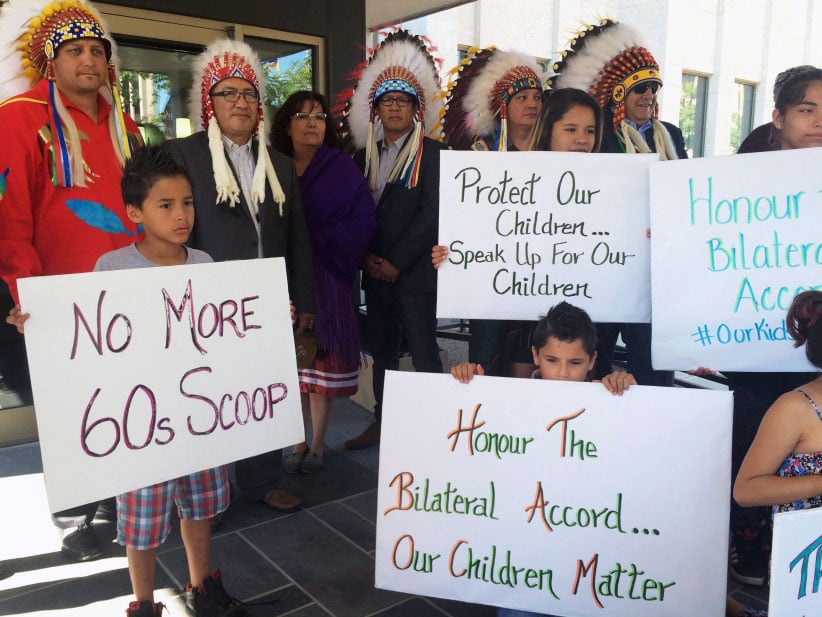
The increasing number of First Nations children being placed into foster care in Canada is nothing short of a crisis. Although Indigenous children make up only seven per cent of the population in Canada, they represent 48 per cent of all children in foster care. It is an astounding number until one examines these rates on a province-by-province basis. In Alberta, Manitoba and Saskatchewan, Indigenous children represent a shocking 73 per cent, 85 per cent and 87 per cent of all children in care respectively, according to the most recent Statistics Canada report. However, Manitoba reports that their numbers of Indigenous children in care are increasing and currently stands at 90 per cent, which represents one of the highest rates in the world. This isn’t much of a surprise given that one newborn is taken away from his or her mother every day in Manitoba as a matter of course—the vast majority being Indigenous. They are not the only provinces implicated as Indigenous children in Ontario are 168 per cent more likely to be taken into care than white children.

Cindy Blackstock hopes that the award will help to focus global attention on the injustices still prevalent in Canada today.
As head of the First Nations Child and Family Caring Society, she led a decade-long legal battle against the underfunding of social services for First Nations children. In 2016, the Canadian Human Rights Tribunal issued a landmark ruling calling on the federal government to take immediate action to end its discriminatory practices.
However, the Canadian government has continued to drag its feet in fully complying with the ruling, meaning that First Nations children are still suffering discrimination.
“The conscience of the people is awakening to the Canadian government’s ongoing racial discrimination towards First Nations children and their families,” said Cindy Blackstock. “Now the question is: What are we going to do about it? Are we going to allow Canada to celebrate its 150th birthday while it bathes in racism, or will we speak up and demand the discrimination stops?”
The tribe I worked for decided to “bring the children home” through a focus on children in their community and ensuring resources to support that work. Many strategies were employed, depending on case specifics. Ensuring the tribal children were closer to home, both in proximity and culturally, was the goal. Some cases achieved the goal through reunification with the natural parents, others by placement within kinship care from stranger foster care. One of the primary practices was the transfer of cases to tribal court when the parents were amenable. In the end we brought all but one child back into tribal custody with an over 75 percent kinship placement rate.

The tribe I worked for decided to “bring the children
home” through a focus on children in their community and ensuring
resources to support that work. Many strategies were employed, depending
on case specifics. Ensuring the tribal children were closer to home,
both in proximity and culturally, was the goal. Some cases achieved the
goal through reunification with the natural parents, others by placement
within kinship care from stranger foster care. One of the primary
practices was the transfer of cases to tribal court when the parents
were amenable. In the end we brought all but one child back into tribal
custody with an over 75 percent kinship placement rate.

A ruling in Goldwater’s favor, according to Fort and other legal experts, could undermine the authority of tribal courts, shutter tribal casinos, and open up reservations to privatization, something that could benefit oil and gas developers like the Koch brothers.
A ruling in Goldwater’s favor, according to Fort and other legal experts, could undermine the authority of tribal courts, shutter tribal casinos, and open up reservations to privatization, something that could benefit oil and gas developers like the Koch brothers.