This blog was a backup for American Indian Adopteesblog
USE THE SEARCH BAR or SEARCH TOPICS at bottom of this blog
If you need support
Support Info: If you are a Survivor and need emotional support, a national crisis line is available 24 hours a day, seven days a week: Residential School Survivor Support Line: 1-866-925-4419. Additional Health Support Information: Emotional, cultural, and professional support services are also available to Survivors and their families through the Indian Residential Schools Resolution Health Support Program. Services can be accessed on an individual, family, or group basis.” These & regional support phone numbers are found at https://nctr.ca/contact/survivors/ .
MY EMAIL: tracelara@pm.me
Canadian Prime Minister Justin Trudeau says it’s not an isolated incident that over 200 children were found buried at a former Indigenous residential school
In 2009, the TRC asked the federal government to help fund investigating the location of gravesites where residential students are believed to be buried. The request was denied.
...She said she had visited schoolyard cemeteries across Canada
in an attempt to find where missing children were buried. But the
process of finding the unmarked graves was slow because the “TRC suffers
from a chronic lack of funding.”
“That second step of doing the
ground-penetrating radar is not something that we’re funded to do,” she
told the media outlet. “There are approximately 140 schools on the list
now. … There will be probably as many cemeteries as there are schools
and in five years we just don’t have the time to do an in-depth
investigation of each one of them.”
Cindy Blackstock, executive
director of the First Nations Child & Family Caring Society, told
Global News that the underfunding of Indigenous projects, like the
missing Children Project, is repeated in history.
“They’re making a
conscious choice that these kids are not worth the money,” she said.
“Like these inequalities, like water, etc., like they were always
complaining, ‘Oh, well, we don’t have the money,’ therefore, the default
is, ‘We’re going to racially discriminate against children as fiscal
policy.'”
Mary Ellen Turpel-Lafond on B.C.’s residential schools – May 29, 2021
Among them is a call for former residential school students
to establish an online registry of residential school cemeteries,
including, plot maps showing the location of deceased children.
Morton argues more needs to be done to help Indigenous
communities find the unmarked graves, as there may be many more sites
across Canada.
The same survey techniques used in Kamloops — such
as the use of ground-penetrating radar to detect bodies — are needed,
she said, as well as funds to access archival research, like residential
schools survivor stories and archives from the churches or provinces.
“The
research components have a cost associated, but the actual physical
work of searching the grounds itself would also have a cost component,”
she said.
Canadian Prime Minister Justin Trudeau says it’s not an isolated incident that over 200 children were found buried at a former Indigenous residential school
In 2009, the TRC asked the federal government to help fund investigating the location of gravesites where residential students are believed to be buried. The request was denied.
...She said she had visited schoolyard cemeteries across Canada in an attempt to find where missing children were buried. But the process of finding the unmarked graves was slow because the “TRC suffers from a chronic lack of funding.”
“That second step of doing the ground-penetrating radar is not something that we’re funded to do,” she told the media outlet. “There are approximately 140 schools on the list now. … There will be probably as many cemeteries as there are schools and in five years we just don’t have the time to do an in-depth investigation of each one of them.”
Cindy Blackstock, executive director of the First Nations Child & Family Caring Society, told Global News that the underfunding of Indigenous projects, like the missing Children Project, is repeated in history.
“They’re making a conscious choice that these kids are not worth the money,” she said. “Like these inequalities, like water, etc., like they were always complaining, ‘Oh, well, we don’t have the money,’ therefore, the default is, ‘We’re going to racially discriminate against children as fiscal policy.'”
Mary Ellen Turpel-Lafond on B.C.’s residential schools – May 29, 2021
Among them is a call for former residential school students to establish an online registry of residential school cemeteries, including, plot maps showing the location of deceased children.
Morton argues more needs to be done to help Indigenous communities find the unmarked graves, as there may be many more sites across Canada.
The same survey techniques used in Kamloops — such as the use of ground-penetrating radar to detect bodies — are needed, she said, as well as funds to access archival research, like residential schools survivor stories and archives from the churches or provinces.
“The research components have a cost associated, but the actual physical work of searching the grounds itself would also have a cost component,” she said.
Moose Jaw’s Hadwen, '60s Scoop survivor, to meet biological father for first time in 45 years
Search for birth parents comes to fruition, meeting to take place on Saturday afternoon at St. Andrew’s Church By: Randy Palmer
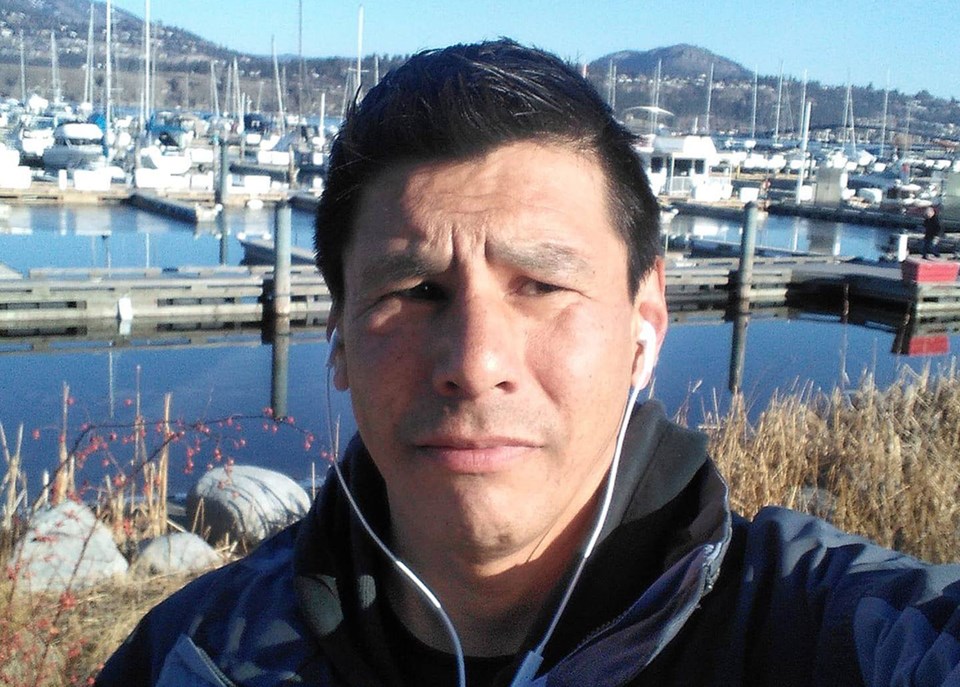
Moose Jaw’s Timothy Hadwen will have a chance to meet his biological father on Saturday afternoon outside of St. Andrew’s Church. Facebook photo
A lifelong quest to find his biological parents is about to come to fruition for Moose Jaw’s Timothy Hadwen.
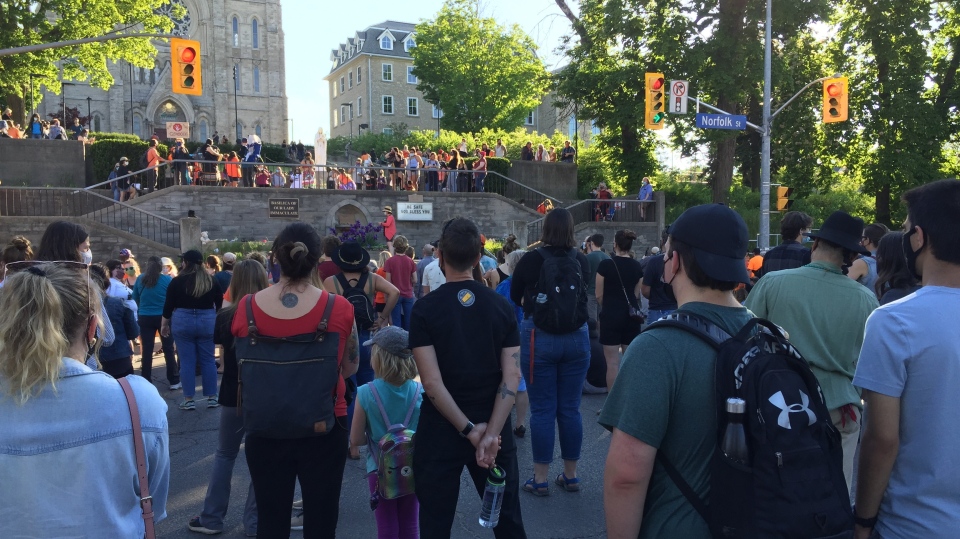
Hadwen, 45, will meet his birth father for the first time this Saturday afternoon (June 5) when the two finally cross paths outside of the St. Andrew’s Church memorial to the lost 215.
“It seems to be one of those happy-ending stories where we’ve been hearing so many sad stories with so much heartbreak and racism and finger-pointing, who’s to blame and who should take responsibility,” Hadwen said on Friday afternoon.
“But not every story has a happy ending like this… I’m one of the lucky ones to gets to meet my birth father, who I never met. And there are a lot of children who are still out there who are looking.”
Hadwen and his three sisters were adopted by Larry and Rosa Hadwen when he was a young child, and he grew up in an environment that was “wonderful, and I still talk about them and rave about them and how much they did for us... They’ve always wanted me to know about my background and who my birth parents are and now we do.”
Even growing up, the question of ‘where did I come from’ was in the back of his head, which eventually led Hadwen to reach out to Saskatchewan post-adoption services. At first, they weren’t a lot of help as records of his biological birth parents weren’t available, but his birth record was. And on that record was his birth mother’s name.
That led Hadwen to get in touch with his advocate from Montreal Lake Cree Nation, and a startling revelation.
“After I e-mailed that to him he replied right away ‘I know where your biological parents are, I’ve known them my whole life almost’,” Hadwen said with an incredulous laugh. “They only live a kilometre apart from each other up in Little Red. It’s amazing how close we are together and how we were still so far away.”
Unfortunately, his birth mother had passed away. But Timothy had a phone call to make to 78-year-old Stanley Halkett of Little Red River First Nation, located a half-hour north of Prince Albert.
“It was very nerve-wracking at the beginning,” Hadwen said of making that first connection. “It took me a while to muster up the courage to move forward and make that first call. And when I did make that call, you could hear it in my voice, it was shaky, very emotional, but I pushed through it and we had a good conversation.”
That first contact also brought forward another surprise.
“Stanley never stopped looking for me the whole 45 years,” Timothy said. “Now he’s so excited and he said ‘I’m dropping everything and I’m coming to see you, I don’t care about the weather, I have to see you and I have to hold you’. It’s an amazing feeling and at the same time it’s a very exciting moment.”
It was also a moment tinged with sadness, given what he and his adopted parents had been told.
“I was led to believe that my birth parents didn’t want me and that’s why I was up for adoption, but my adopted parents, they were lied to this whole time,” Hadwen said. “It’s heartbreaking because I’m not the only one, there are so many kids who never had a chance to be with their biological families.”
In other words, exactly the situation so, so many other Indigenous people went through as part of the 60’s Scoop. Hadwen has chosen to let that part of the past stay the past, though, even as he continues to deal with the outcome of that heinous chapter of Canadian history.
“I don’t want to point fingers or blame anyone for what happened, it’s time to move forward and heal,” he said.
Part of that healing will happen Saturday.
Stanley is making the four-hour trip south from Little Red River, and when the two finally meet, Timothy has little idea how it will go other than it will be an amazing moment for both men.
“I know it’s going to be emotional, we spoke again this morning and we’re just moving ahead with the meeting, however it goes,” Hadwen said. “It was 45 years ago I was in my mother’s stomach and he didn’t even know I was born, what day I was born, time I was born… apparently they decided my birth mother wasn’t worth keeping me and that’s how I ended up in the system.
“But now I get to meet my birth father, and it’s going to be incredible.”
Tom McMahon is former general counsel of the Truth and Reconciliation Commission, former executive secretary of the Manitoba Aboriginal Justice Inquiry and former senior counsel at Elections Canada.
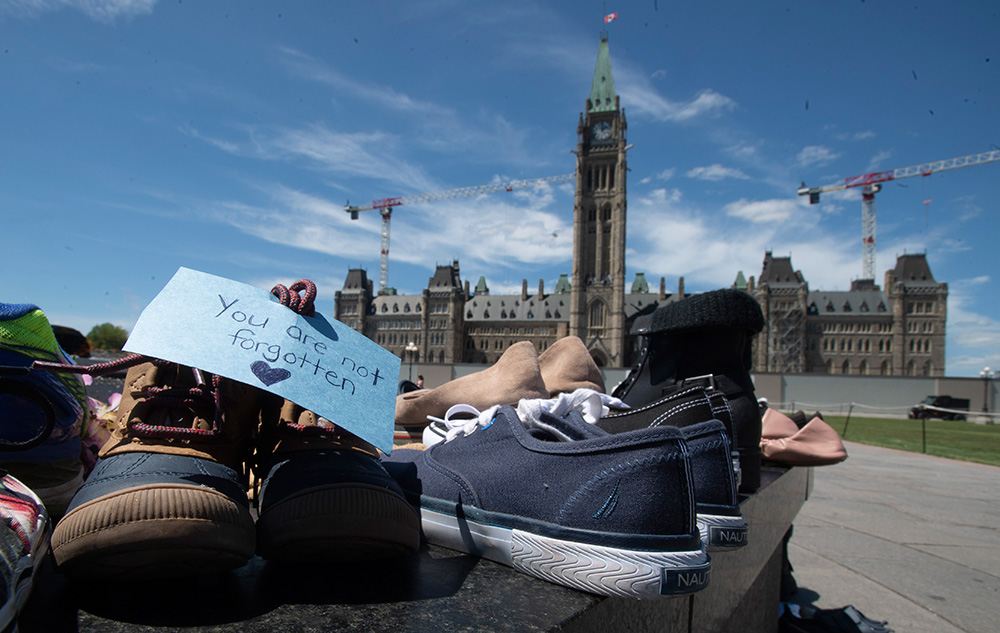
Shoes placed near Parliament Hill in recognition of the discovery of children’s remains at the former Kamloops Indian Residential School. Why are there still no public monuments honouring these children, as the Truth and Reconciliation Commission has called for? Photo by Adrian Wyld, the Canadian Press.
As we all struggle with the news of 215 Indigenous children found in a Kamloops graveyard, many are demanding that the Canadian government finally implement the Truth and Reconciliation Commission’s 94 Calls to Action. I was general legal counsel to the TRC and previously executive secretary to the Manitoba Aboriginal Justice Inquiry, both under the direction of Murray Sinclair and the other commissioners.
Some media have noted that five of six Calls to Action relevant to these children have yet to be fulfilled. But there are other calls that matter, and failing to name them hurts our ability to hold the government to account. The media needs to get this right.
(And when the government says that some of these Calls to Action are “in progress,” do not believe it. It has been six years since the commission finished its work. When does “progress” become “completed”? Those of us who have worked in government and seen replies to various reports know that “in progress” means the government does not intend to implement the recommendation but is trying to figure out a way to get credit for having done so.)
I want to highlight two of the TRC Calls to Action in particular: 81 and 82. Every time there’s an article about missing children, about a John A. Macdonald statue, about a Hector-Louis Langevin place name, and every time I see an article about a new monument for Canada’s dead soldiers in Afghanistan or the victims of communism, or a new parliamentary statement about a foreign genocide, I look to see if the news articles mention those two Calls to Action about Indian Residential Schools.
They never do. Why is that?
81. We call upon the federal government, in collaboration with Survivors and their organizations, and other parties to the Settlement Agreement, to commission and install a publicly accessible, highly visible, Residential Schools National Monument in the city of Ottawa to honour Survivors and all the children who were lost to their families and communities.
82. We call upon provincial and territorial governments, in collaboration with Survivors and their organizations, and other parties to the Settlement Agreement, to commission and install a publicly accessible, highly visible, Residential Schools Monument in each capital city to honour Survivors and all the children who were lost to their families and communities.
Why do I care about TRC Calls to Action 81 and 82? It’s empty symbolism, right?
I care because I see them as being such an easy, inexpensive thing to do. I see 81 and 82 as a litmus test for our governments. If you’re not even willing to do this simple thing, what does it say about your sincerity, honour, goodwill and credibility on the other Calls to Action?
I care because our current monuments and place names and flags are such “in-your-face” and “rub-your-nose-in-it” strutting examples of colonialism and white supremacy. Canada desperately needs balance and diversity in our public symbols. We desperately need some historical accuracy.
I care because national and provincial public monuments would be a daily public statement that we remember, that we accept the truth of what we have heard and that we commit ourselves to be better.
I care because we create monuments to ourselves and our ancestors all the time. The lack of balance in monuments for other Canadians is a painful reminder of who we value and who we don’t value.
I care because the purpose of Calls to Action 81 and 82 is “to honour Survivors and all the children who were lost to their families and communities.” Who could be opposed to that?
Here are other Calls to Action that are relevant to the missing children.
67. We call upon the federal government to provide funding to the Canadian Museums Association to undertake, in collaboration with Aboriginal peoples, a national review of museum policies and best practices to determine the level of compliance with the United Nations Declaration on the Rights of Indigenous Peoples and to make recommendations.
68. We call upon the federal government, in collaboration with Aboriginal peoples and the Canadian Museums Association, to mark the 150th anniversary of Canadian Confederation in 2017, by establishing a dedicated national funding program for commemoration projects on the theme of reconciliation.
69. We call upon Library and Archives Canada to:
i) Fully adopt and implement the United Nations Declaration on the Rights of Indigenous Peoples and the United Nations Joinet-Orentlicher Principles, as related to Aboriginal peoples’ inalienable right to know the truth about what happened and why, with regard to human rights violations committed against them in residential schools.
ii) Ensure that its record holdings related to residential schools are accessible to the public.
iii) Commit more resources to its public education materials and programming on residential schools.
70. We call upon the federal government to provide funding to the Canadian Association of Archivists to undertake, in collaboration with Aboriginal peoples, a national review of archival policies and best practices to:
i) Determine the level of compliance with the United Nations Declaration on the Rights of Indigenous Peoples and the United Nations Joinet-Orentlicher Principles, as related to Aboriginal peoples’ inalienable right to know the truth about what happened and why, with regard to human rights violations committed against them in the residential schools.
ii) Produce a report with recommendations for full implementation of these international mechanisms as a reconciliation framework for Canadian archives.
77. We call upon provincial, territorial, municipal and community archives to work collaboratively with the National Centre for Truth and Reconciliation to identify and collect copies of all records relevant to the history and legacy of the residential school system, and to provide these to the National Centre for Truth and Reconciliation.
79. We call upon the federal government, in collaboration with Survivors, Aboriginal organizations and the arts community, to develop a reconciliation framework for Canadian heritage and commemoration. This would include, but not be limited to:
i) Amending the Historic Sites and Monuments Act to include First Nations, Inuit and Métis representation on the Historic Sites and Monuments Board of Canada and its Secretariat.
ii) Revising the policies, criteria and practices of the National Program of Historical Commemoration to integrate Indigenous history, heritage values, and memory practices into Canada’s national heritage and history.
iii) Developing and maintaining a national heritage plan and strategy for commemorating residential school sites, the history and legacy of residential schools and the contributions of Aboriginal Peoples to Canada’s history.
Here is what the media is reporting as being the only Calls to Action relevant to missing children.
71. We call upon all chief coroners and provincial vital statistics agencies that have not provided to the Truth and Reconciliation Commission of Canada their records on the deaths of Aboriginal children in the care of residential school authorities to make these documents available to the National Centre for Truth and Reconciliation.
72. We call upon the federal government to allocate sufficient resources to the National Centre for Truth and Reconciliation to allow it to develop and maintain the National Residential School Student Death Register established by the Truth and Reconciliation Commission of Canada.
73. We call upon the federal government to work with churches, Aboriginal communities, and former residential school students to establish and maintain an online registry of residential school cemeteries, including, where possible, plot maps showing the location of deceased residential school children.
74. We call upon the federal government to work with the churches and Aboriginal community leaders to inform the families of children who died at residential schools of the child’s burial location, and to respond to families’ wishes for appropriate commemoration ceremonies and markers, and reburial in home communities where requested.
75. We call upon the federal government to work with provincial, territorial, and municipal governments, churches, Aboriginal communities, former residential school students, and current landowners to develop and implement strategies and procedures for the ongoing identification, documentation, maintenance, commemoration, and protection of residential school cemeteries or other sites at which residential school children were buried. This is to include the provision of appropriate memorial ceremonies and commemorative markers to honour the deceased children.
76. We call upon the parties engaged in the work of documenting, maintaining, commemorating, and protecting residential school cemeteries to adopt strategies in accordance with the following principles:
1. The Aboriginal community most affected shall lead the development of such strategies.
2. Information shall be sought from residential school Survivors and other Knowledge Keepers in the development of such strategies.
3. Aboriginal protocols shall be respected before any potentially invasive technical inspection and investigation of a cemetery site.
It is not too much to expect our media and our politicians to actually read all of the TRC Calls to Action and to discuss them specifically.
The NDN Collective is an action network built on principles of community organizing, building political power and advancing the rights of Indigenous people.
Last week it was discovered that they are forcibly putting in IUDs into Native kids under 10, this week they discovered 215 bodies of Native kids under a school. These are issues that are person to me and so many of us.
the government of Canada 🇨🇦 covered up the death and murder of those 215 children in that government run school, a school only 60 km from where I grew up, if I was born one generation earlier I would have been forced into that school! My father was a residential school survivor
The long history of discrimination against First Nations children Learn more about how Canada repeatedly chose to not act on solutions to stop the harm to, and deaths, of children and why it is still a problem. https://t.co/7CnMuImGyH
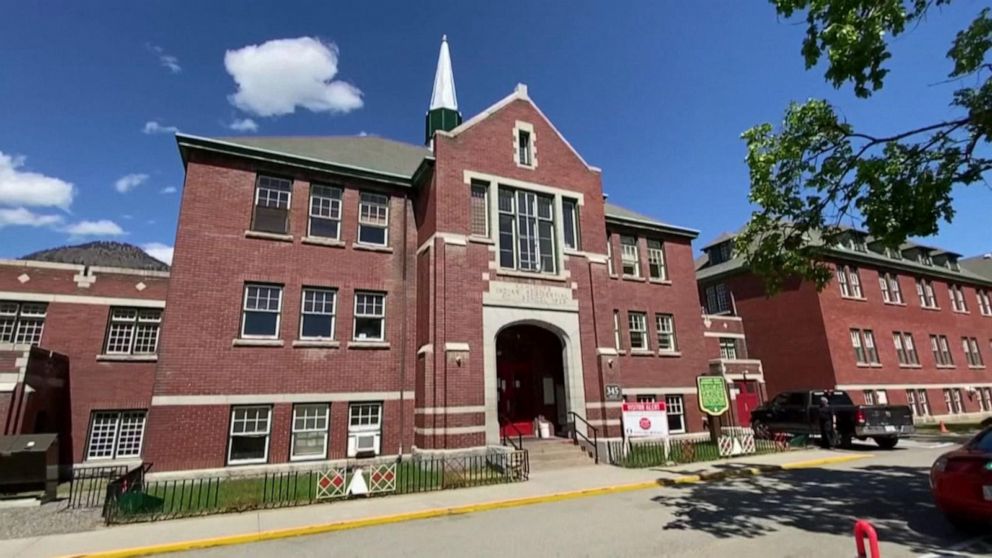
The former Kamloops Indian Residential School is seen on Tk’emlups te Secwépemc First Nation in Kamloops, B.C., on May 27, 2021. The remains of 215 children have been found buried on the site, the First Nation said. (Andrew Snucins/The Canadian Press)
Lindstrom helped tribes and counties across the nation to develop programs to ensure that federal law was followed and Indian children were not forcibly removed.
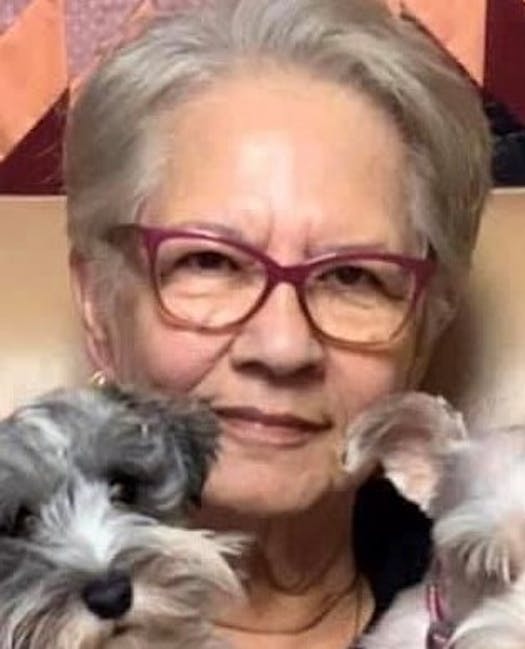
Janice L. Lindstrom spent much of her adult life pushing for stronger protections for American Indian children. She died on May 7 of cancer at age 75.
Janice L. Lindstrom, a social worker and champion of legal rights for American Indians, and who testified in Congress for stronger protections for Indian children and families, died of cancer May 7. She was 75.
Lindstrom helped tribes and counties across the nation to develop programs to ensure that federal law was followed and Indian children were not forcibly removed from Indian families.
Her work was made possible by the Indian Child Welfare Act (ICWA), a landmark federal law passed in 1978 designed to end the practice of taking Indian children from their homes and placing them in boarding schools or foster care. The law gives tribes the right to intervene in adoptions in which Indian children are put up for adoption and placed with non-Indian families.
At the time, many Indian children were being removed from their birth parents not for abuse or neglect, but because of perceived or real poverty. Harsh living conditions prompted social workers to make unwarranted removals, and poverty made it difficult for Indians to qualify as adoptive parents. Before ICWA, 25% to 35% of Indian children were being removed from their homes; of these, 85% were placed outside of their families and communities — even when able and willing relatives were available.
A member of the White Earth Nation of Ojibwe, Lindstrom experienced this injustice firsthand. She watched as two of her younger sisters were placed in separate homes in Stillwater with non-Indian foster parents. Adding to the trauma of this separation, the family later discovered that one of Lindstrom's sisters had been sexually abused and underwent forced sterilization while in foster care.
"My mother could not stand the desecration of our families — the way they were breaking up our people — and she fought with tenacity to prevent it," said Lindstrom's daughter, Sheri Riemers, government and community relations director at the Ain Dah Yung Center, a St. Paul-based shelter for runaway and homeless youth.
Lindstrom was the oldest of five children born on the White Earth Indian Reservation in northwestern Minnesota. As a child, she went to live in nearby Park Rapids with her grandparents, who lived in a rustic wood cabin with an outhouse and wood-burning stove.
At 16, Lindstrom moved to the Twin Cities and did a series of odd jobs before being hired at the Minneapolis American Indian Center. The center's director, Frances Fairbanks, was impressed by Lindstrom's toughness and asked her in the early 1980s to coordinate a new program to monitor the state's compliance with ICWA and ensure that tribes were notified when Indian children were being removed from their homes.
Lindstrom and her team faced numerous barriers, including local social workers and judges who were not familiar with the new federal law and the unique status of tribes. But she persuaded counties in the metro area to allow her team to monitor court proceedings and to intervene in cases where Indian children were being removed or parental rights were being terminated. Tribes across the nation would adopt similar court-monitoring programs.
"Janice was tenacious," said Rose Robinson, a longtime friend and former director of the Minnesota Indian Women's Resource Center. "She understood that when you take a child away, then you are disconnecting that child from their community and their relationships."
For the past 17 years, Lindstrom was executive director of Juel Fairbanks Recovery Services, a treatment center in St. Paul for men with substance abuse disorders. She put the center on sounder financial footing while encouraging healing through Indigenous culture and traditions.
In her final days, Lindstrom continued to counsel residents. "They revered her like a mother," said Riemers, her daughter. "She took them under her wing like they were her own sons."
Despite Canada’s benevolent veneer, its history is replete with examples of genocidal medical violence inflicted upon Indigenous communities, including children, with Canadian physicians often leading the charge. This includes coerced and forced sterilizations targeting Indigenous women and girls.
In her landmark book, “An Act of Genocide: Colonialism and the Sterilization of Aboriginal Women,” women and gender studies professor Karen Stote describes how formal eugenic legislation in provinces like Alberta and British Columbia spanned decades in the twentieth century, while other provinces had similar practices that may have been informal, but with the same devastating end-result: the sterilization of thousands of Indigenous women and girls, forced to give up the ability to bear children.
These are recent reports of missing children made to local law enforcement. If you think you have seen a missing child, contact the National Center for Missing & Exploited Children at 1-800-THE-LOST (1-800-843-5678). https://t.co/gzcU0ba9WK
Despite Canada’s benevolent veneer, its history is replete with examples of genocidal medical violence inflicted upon Indigenous communities, including children, with Canadian physicians often leading the charge. This includes coerced and forced sterilizations targeting Indigenous women and girls.
In her landmark book, “An Act of Genocide: Colonialism and the Sterilization of Aboriginal Women,” women and gender studies professor Karen Stote describes how formal eugenic legislation in provinces like Alberta and British Columbia spanned decades in the twentieth century, while other provinces had similar practices that may have been informal, but with the same devastating end-result: the sterilization of thousands of Indigenous women and girls, forced to give up the ability to bear children.
These are recent reports of missing children made to local law enforcement. If you think you have seen a missing child, contact the National Center for Missing & Exploited Children at 1-800-THE-LOST (1-800-843-5678). https://t.co/gzcU0ba9WK
This was streamed LIVE on Wednesday May 12th 2021 Dr. Sinclair is Anishinaabe (St. Peter's/Little Peguis) and an Assistant Professor at the University of Manitoba.
The Confederated Salish and Kootenai Tribes worked with federal agencies to complete a first of its kind plan to address the crisis.
By Jessica Douglas
Two years ago, on a February evening, Ellie Bundy attended a tribal working group in Arlee, Montana, on the Flathead Indian Reservation. Surrounded by local and tribal law enforcement, tribal members and families, Bundy listened as people told stories about loved ones or community members who had gone missing. “What if that were my daughter?” Bundy said. “We say that a lot, but really, what if it were my daughter? What if it were my sister? What if it were my cousins? It is a visual you just can't get out of your head.” The meeting was one of four hosted by the Confederated Salish and Kootenai Tribes to encourage discussion and come up with local community responses to the epidemic of missing and murdered Indigenous people.
Bundy is now a councilwoman for the Salish and Kootenai, as well as the presiding officer of the Montana Missing Indigenous Persons Task Force. For the past five months, she and other tribal officials have participated in a series of working groups with federal, state and local law enforcement and community organizations. On April 1, at a press conference at the tribal headquarters in Pablo, Montana, the Salish and Kootenai joined the U.S. Attorney’s Office for the District of Montana and the Federal Bureau of Investigation in announcing the completion of the first Tribal Community Response Plan to the crisis of missing and murdered Indigenous people.
As the first plan of its kind to be developed, it will serve as a model that tribal governments across Indian Country can adapt to meet their own specific needs. It marks a critical milestone in the effort to resolve the crisis, something that advocates say must be led by tribal nations and supported by the federal government. The new plan comes at a unique time nationally, after the passage of federal legislation including Savanna’s Act and renewing the Violence Against Women Act, coupled with executive-branch initiatives, such as Interior Secretary Deb Haaland’s new unit in the Bureau of Indian Affairs, which was created specifically to investigate crimes involving missing and murdered Indigenous people.
Gov. Polis signs bill at FLC, meets with local government
Colorado Gov. Jared Polis came to Durango on Saturday afternoon to sign a bill and meet with representatives of local government.
The bill, House Bill 21-1151, allows federally recognized Native American tribes to certify their own foster homes. Previously, only county departments of human or social services or child placement agencies could certify foster homes.
“This bill makes sure that Colorado’s laws are better aligned with some of the federal rights that exist under the Indian Child Welfare Act,” Polis said. “The federally recognized tribes have an authority to certify foster homes, but this bill makes sure that the county department of human services or health can contract with the federally recognized tribes to better place Native children who live outside of their jurisdiction with Native American families. This bill will increase the number of Native American children that are placed with Native American families, and by doing that, it’ll help make sure that the important aspects of Native American heritage and culture can be passed down inter-generationally."
Mary Big Bull-Lewis is taking a creative approach to returning ownership of the land and its stories to Native people.
...
“This is a way of reaching more than just a single group of people — it can be a community education,” she says. “There’s not as many of us here on the homelands, but we need to change that conversation about talking about us in the past. We haven’t gone anywhere.”
“We haven’t gone anywhere.”
All around her, Big Bull-Lewis sees similar stories of a Native history covered up by settler transfiguration. Her hometown itself, Wenatchee, takes its namesake from the Wenatchi people, tweaking only a few letters. Yet it’s not unusual for non-Native locals to have never heard of the Wenatchi people at all. Therein lies the problem: Their stories aren’t told.
To survive, previous generations often denied the emotional hurt they suffered and refused to acknowledge the pain caused by the extreme oppression of Native Americans.
Fred Jacko has chosen not to incorporate his Native American upbringing and culture into the lives of his own children.
“My children will have the choice when they’re adults,” he says.
His decision is in stark contrast to his job as the Culture and Historic Preservation Office Manager for the Nottawaseppi Huron Band of the Potawatomi,
which has its offices on the Pine Creek Indian Reservation in Athens.
But, he says, it’s necessary to stop the cycle of historical trauma that
continues to have lasting impacts on his generation and generations
before him.
A multitude of atrocities done to Native Americans that began in the
early 1800s at the hands of government officials who enacted legislation
that took away their land, their rights to live their lives as a free
people, their culture, heritage, and in too many instances their family
structure has caused lasting trauma.
To survive, previous generations often denied the emotional hurt they suffered and refused to acknowledge the pain caused by the extreme oppression of Native Americans.
Fred Jacko has chosen not to incorporate his Native American upbringing and culture into the lives of his own children.
“My children will have the choice when they’re adults,” he says.
His decision is in stark contrast to his job as the Culture and Historic Preservation Office Manager for the Nottawaseppi Huron Band of the Potawatomi, which has its offices on the Pine Creek Indian Reservation in Athens. But, he says, it’s necessary to stop the cycle of historical trauma that continues to have lasting impacts on his generation and generations before him.
A multitude of atrocities done to Native Americans that began in the early 1800s at the hands of government officials who enacted legislation that took away their land, their rights to live their lives as a free people, their culture, heritage, and in too many instances their family structure has caused lasting trauma.
A former foster child who is a part of the 2020 U.S class action lawsuit against former fashion mogul Peter Nygard is coming forward publicly for the first time.
Identified in the court document up to this point only as “Jane Doe No. 44,” Nadine Moostoos tells APTN Investigates that despite a traumatic childhood, she is beginning her healing journey after coming to terms with her past.
Moostoos spent most of her childhood in foster care after she was apprehended at 18 months of age with her brother and taken into foster care.
“I got scooped because my mom was a chronic alcoholic and somebody had called CFS,” she said. “She went on a binge and then they came and picked me and my brother up.”
At age 11, she was sent to live at Seven Oaks Youth Centre in Winnipeg after she said she was abused in her previous foster homes.
“I was mute. I wasn’t talking. I wouldn’t talk because of the abuse,” she said. “I couldn’t talk. It was so internalized.”
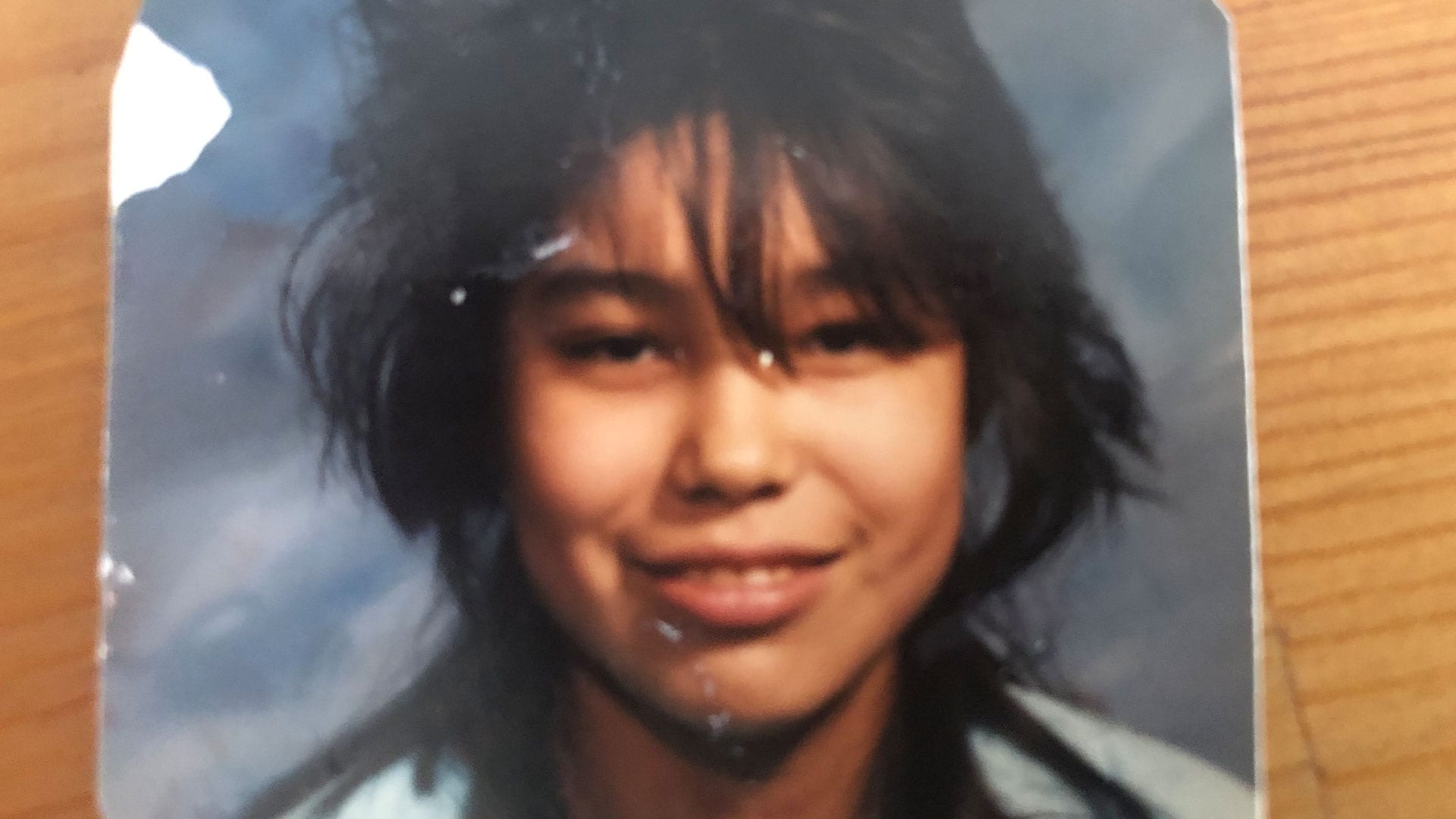
Nadine Moostoos at 12 years old. Submitted photo.
Two years later, she was sent to Marymound, a school for troubled girls where she turned to her peers and the street for support.
“I would just run to the streets,” she said. “A lot of those girls I was in jail with, out on the street with, carried through addiction with and some aren’t even here anymore.”
According to the allegations in a U.S. class action lawsuit filed in 2020, Moostoos met Peter Nygard when she was 14 years old.
The allegations in the complaint (as statements of claim are called in the American justice system) have not been proven in court. But they are disturbing.
“Nygard coerced Jane Doe No. 44 to perform oral sex on him in his car, while parked behind the Nygard Companies’ (sic) warehouse,” the court documents state. “Nygard would become very aggressive during Jane Doe 44’s sexual encounters with him.”
The documents also state that Nygard made Moostoos promises.
“Nygard would pay Jane Doe No. 44 after each occasion in U.S. currency and would continue to promise her that he could take her to California.”
Moostoos said she believed she had a modelling opportunity and told her mother, who offered to take photographs of her.
Moostoos said she called the Nygard headquarters to follow up.
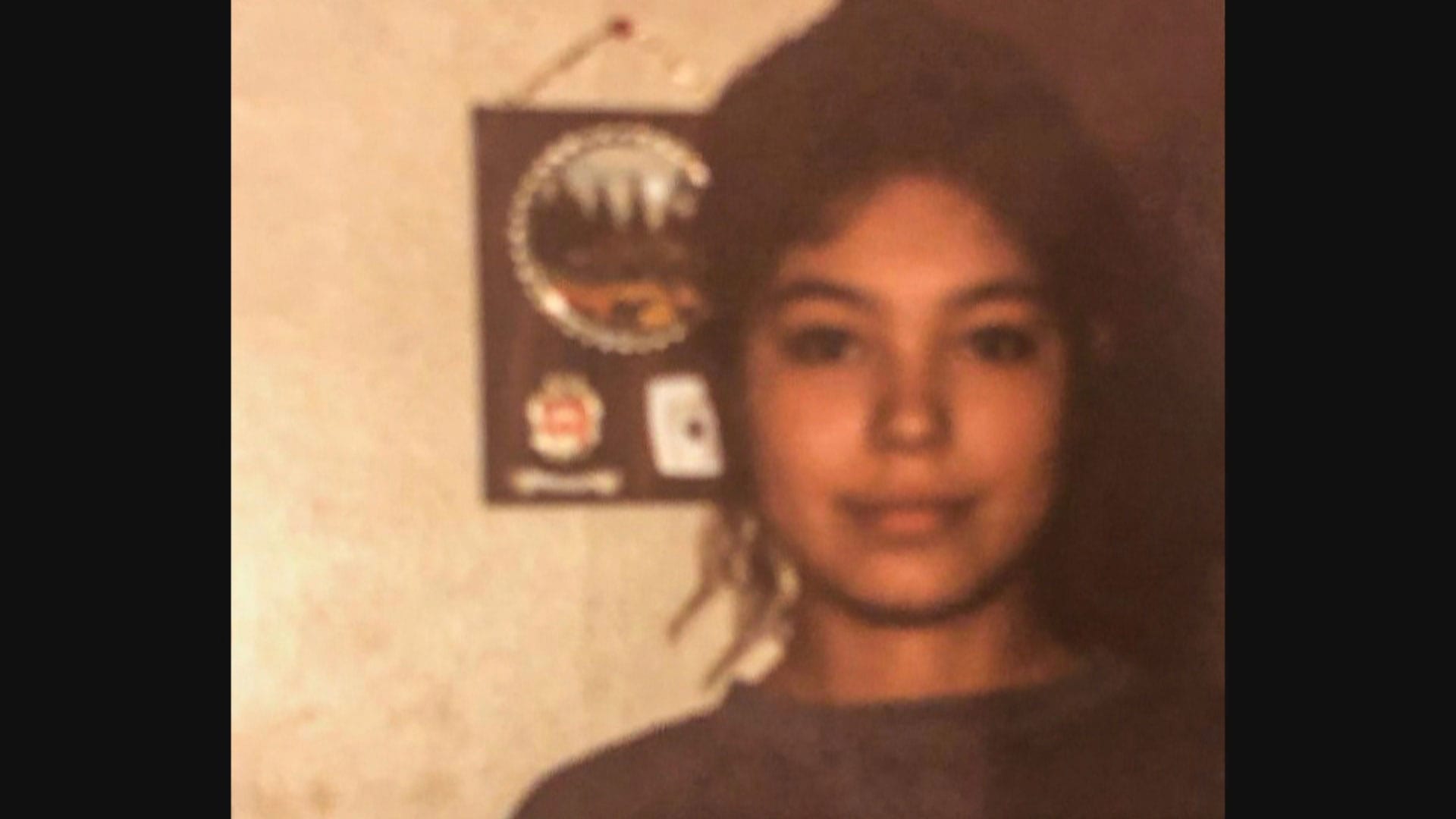
Nadine Moostoos was 14 when her mother took this photo. Submitted photo.
“I ended up phoning there and I didn’t know what to say,” she said. “ I was so young and I didn’t have anyone speaking for me so I didn’t follow through with it, which I am thankful for. “
Moostoos filed a complaint with the Winnipeg police in 2020 and she said she believes there may be other Indigenous women with stories like hers in Canada but they are not likely to come forward.
“It’s highly unlikely. It took me a lot of balls and a lot of courage to do that, coming from the streets,” she said. “I did it because it needed to be done. And I knew I was not the only one.”
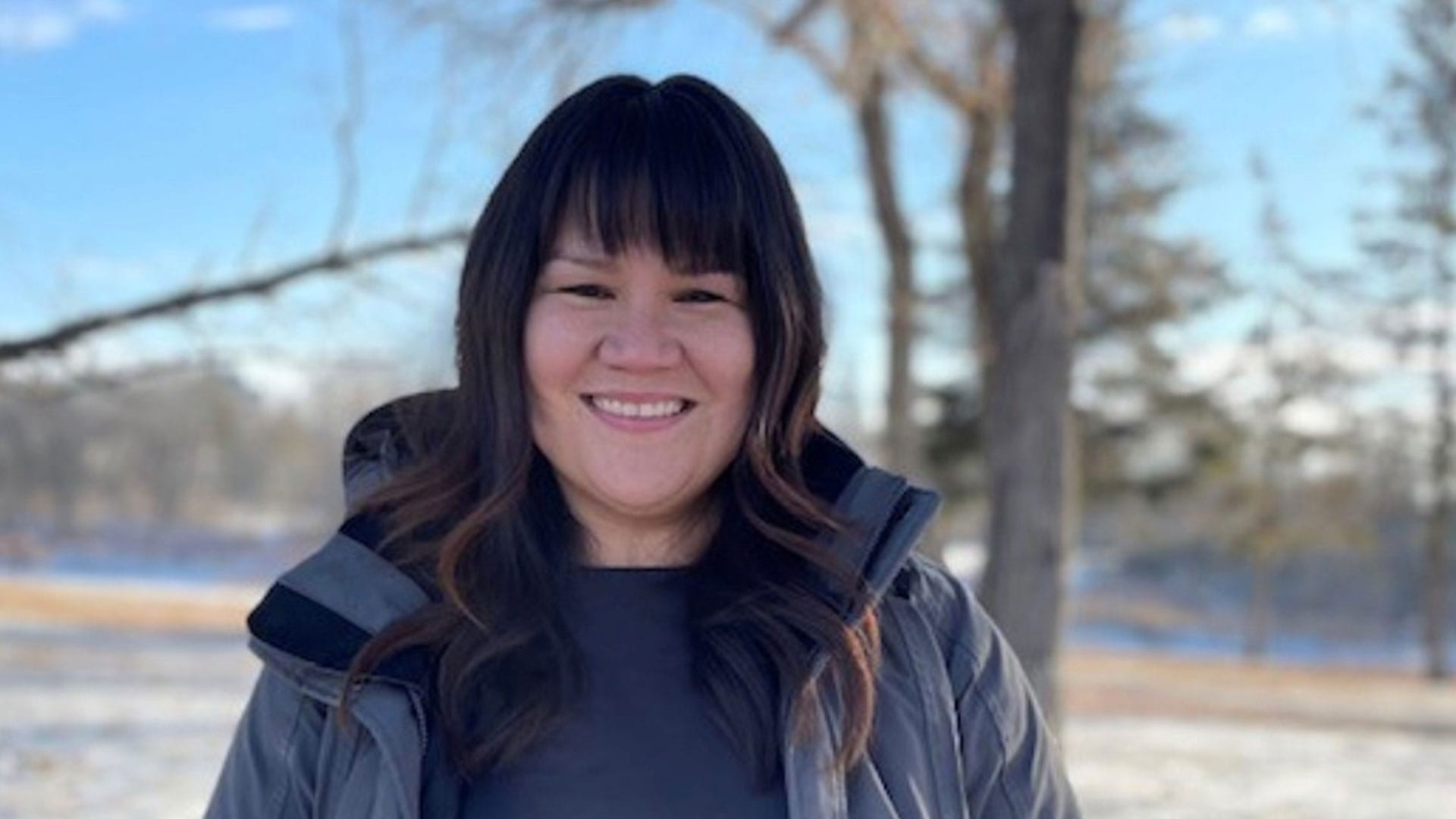
Crystal Brown is the Community Justice Development Coordinator for the Southern Chiefs Organization.
“It takes a lot for someone to speak up and specifically for Indigenous women whose voices have been continually silenced throughout history,” said Crystal Brown, who is the Community Justice Development Coordinator for the Southern Chiefs Organization.
She said the Indigenous alleged victims of Nygard are especially vulnerable because of their past traumas.
“To disconnect from your family creates trauma such as violence, various abuses, mental health issues and it should be addressed through our culture, through our ceremonies and our language,” she said, adding that the impact of colonization continues to reverberate throughout Canada.
Moostoos said she worked in the survival sex trade for decades and is just now facing the trauma of her past.
“I left that life when I got pregnant with my son,” she said. “I quit the lifestyle. I got pregnant and that little boy changed my life. I call him my gift from God that is what his name means.”
Moostoos added the stigma attached to Indigenous women and girls is very real but she urged other women to come forward.
“The more people that come forward the more of a chance that you’ll get to heal,” she said. “That’s the start of healing.”
“Nobody wants to face their demons, face their past, face the abuses or social injustices that are predatory like sexual assault, rape and stuff like that,” she said. “I was just a little girl. I never got a chance to be a little girl.”
Nygard’s lawyers Jay Prober and Brian Greenspan have not responded to interview requests.
The 79-year-old was arrested in December last year in Winnipeg under the Extradition Act. An extradition hearing is set for Nov. 15 to 19 at the Manitoba Court of Queen’s Bench. Nygard was denied bail and an appeal to that decision was turned down in spring 2020.
Nygard remains in custody at the Headingly Correctional Centre west of Winnipeg.
The Hope for Wellness Help Line is available to all Indigenous people across Canada who need immediate crisis intervention. Services are available in Cree, Ojibwe, Inuktitut, English and French. Call 1-855-242-3310 (toll-free).
In the middle of Canadian government’s inquiry, #MMIW and #MMIWG tweets produced 55,400 unique users and 156.1 million impressions. Now, according to a Union Metrics Twitter Snapshot Report, #MMIW tweets can generate several hundred thousand impressions every 4 hours. Most of these tweets use the hashtag to call attention to their own missing loved one, to blanket local and regional networks with time-sensitive information; to share information about police and FBI response to family’s requests for help; or to respond to both specific MMIW cases and general MMIW education and awareness campaigns (e.g., Drag the Red and #NotInvisible). In short, the hashtag is mobilizing advocacy across Indian Country.
The new BIA partnership with DOJ’s National Missing and Unidentified Persons System (NamUs) went live with its new data collection strategies in late February 2019.
T he Métis National Council and the Government of Canada will be working collaboratively, Nation-to-Nation, to develop a process to engag...
To Veronica Brown
Veronica, we adult adoptees are thinking of you today and every day. We will be here when you need us. Your journey in the adopted life has begun, nothing can revoke that now, the damage cannot be undone. Be courageous, you have what no adoptee before you has had; a strong group of adult adoptees who know your story, who are behind you and will always be so.
OUR HISTORY
BOOK 5: Lost Children of the Indian Adoption Projects
 Canadian Prime Minister Justin Trudeau says it’s not an isolated incident that over 200 children were found buried at a former Indigenous residential school


![[Tyee]](https://thetyee.ca/ui/img/ico_fishie.png)


/https://www.thestar.com/content/dam/thestar/opinion/contributors/2021/03/08/coerced-and-forced-stereilization-of-indigenous-women-and-girls-this-is-what-genocide-looks-like-in-canada/cpt127524354.jpg)