A 1970 Law Led to the Mass Sterilization of Native American Women. That History Still Matters
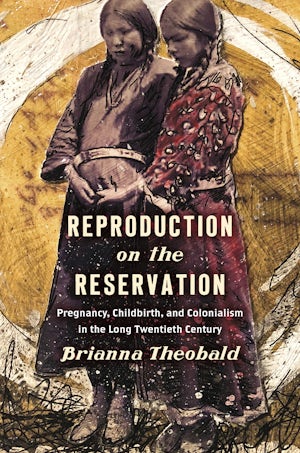
Brianna Theobald is the author of Reproduction on the Reservation: Pregnancy, Childbirth, and Colonialism in the Long Twentieth Century, available now from the University of North Carolina Press.
Marie Sanchez, chief tribal judge on the Northern Cheyenne Reservation, arrived in Geneva in 1977 with a clear message to deliver to the United Nations Convention on Indigenous Rights. American Indian women, she argued, were targets of the “modern form” of genocide—sterilization.
Over the six-year period that had followed the passage of the Family Planning Services and Population Research Act of 1970, physicians sterilized perhaps 25% of Native American women of childbearing age, and there is evidence suggesting that the numbers were actually even higher. Some of these procedures were performed under pressure or duress, or without the women’s knowledge or understanding. The law subsidized sterilizations for patients who received their health care through the Indian Health Service and for Medicaid patients, and black and Latina women were also targets of coercive sterilization in these years.
But while Sanchez and the Native women with whom she organized responded to the results of that 1970 law, they also recognized that the fight against involuntary sterilization was one of many intertwined injustices rooted—as was their resistance—in a much longer history of U.S. colonialism. And that history continues to this day.
When the federal government forced Native peoples onto reservations in the 19th century, the situation produced a cascade of public-health disasters. By 1900, the American Indian population had reached its nadir of less than a quarter million. Infants and children proved particularly vulnerable to illness and death. One government official estimated in 1916 that approximately three-fifths of Indian infants died before age 5. On many reservations, women responded by bearing more children despite their compromised health. The historian Frederick Hoxie has argued that “only the maintenance of extraordinarily high birth rates” saved one nation from “dropping into oblivion.”
KEEP READING


No comments:
Post a Comment
Please leave a comment.