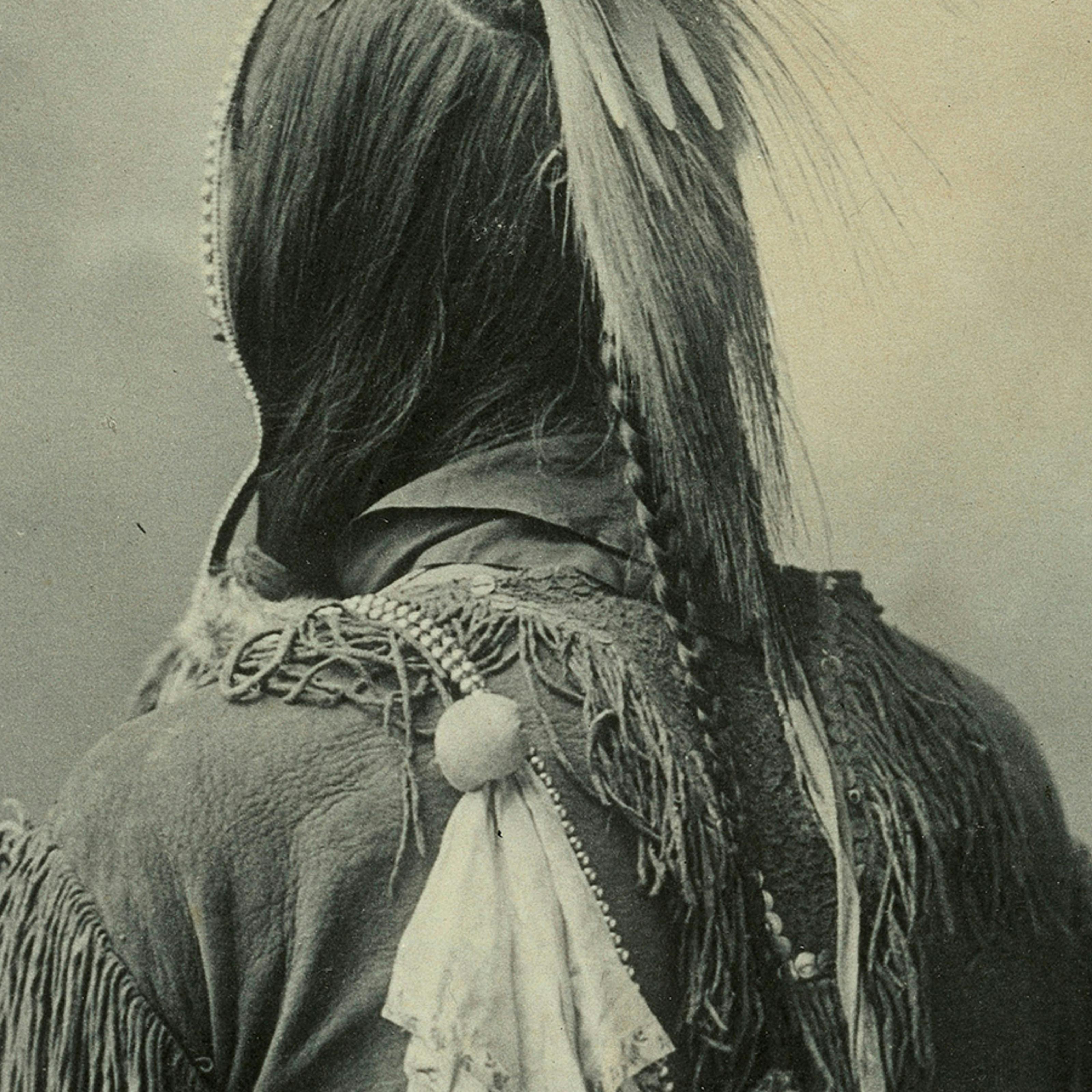
In the 2016 book ‘Bone Rooms: From Scientific Racism to Human Prehistory in Museums’, Samuel J Redman notes: “The campaign to preserve and collect was viewed as a race against time; bone empires benefited from this powerful sentiment by conceptualising indigenous and ancient bodies as a limited and scientifically valuable resource.”
READ: Native Americans and the dehumanising force of the photograph | Wellcome Collection
In the 2005 book ‘Beyond the Reach of Time and Change: Native American Reflections on the Frank A Rinehart Photograph Collection’, Simon Ortiz writes:
“Whether
he wanted to or not, the real and actual Indian vanished into the image
contrived by non-Indian interests, since he became, in some sense,
acceptable then ‘as an Indian’, albeit an Indian fashioned, styled and –
even literally – costumed (for example, photographic studio props were
used by photographers such as Rinehart and Edward Curtis) so that he could be identified as nothing but an Indian.”
No comments:
Post a Comment
Please leave a comment.